


Occupational Health and Safety

Supporting the SDGs Goal


Goals
Performance Highlights 2024
per one million hours worked.

Commitment, Challenge and Opportunity
The Company is committed to ensuring that employees maintain good health and are free from illnesses arising from the working environment. It aims to continuously promote, and support activities and operations related to occupational health, safety, and the work environment in order to achieve the Company’s objectives. Safety, occupational health, and environmental responsibilities are assigned collectively to all employees at every level. Employees are expected to be aware of and strictly comply with these responsibilities at all times. The Company provides training and awareness programs to promote good health practices and prevent actions that could negatively impact health, while ensuring that the workplace is hygienic and safe.
The Company also recognizes and emphasizes customer safety. Products are manufactured in accordance with international safety standards and regulatory requirements, while continuously being designed, innovated, and developed to enhance safety. This ensures that customers have confidence in the quality, standards, and safety of the Company’s products. A customer relationship management system is in place to facilitate communication with customers, including receiving complaints regarding product and service quality, allowing for effective improvement and development. The Company also provides ongoing training and disseminates corporate values, with dedicated teams monitoring product claims and customer complaints.


Furthermore, the Company prioritizes the safety and health of employees, who are key resources contributing to the production of quality products and services.
Activities are conducted to promote and raise awareness of safety for customers, employees, sales representatives, business partners’ staff, and contractors at Company facilities.
Management and Operational Approach
The Company has announced its Occupational Health, Safety, and Work Environment Policy to provide guidance for employees and stakeholders across the value chain to follow effectively, as follows:
- Conduct the Company’s business and activities in compliance with applicable laws, regulations, requirements, and international standards related to occupational health, safety, and the work environment, while continuously monitoring, auditing, and reviewing operations.
- Commit to achieving high standards in occupational health, safety, and work environment operations to ensure the safety of employees and all stakeholders.
- Manage risks related to occupational health, safety, and the work environment to reduce and control the likelihood of accidents, and establish measures to ensure compliance.
- Set objectives, indicators, and targets for occupational health, safety, and work environment management, along with strategies, plans, or projects to continuously improve management efficiency
- Enhance knowledge and awareness, provide training and consultation, and foster a culture of occupational health, safety, and work environment.
- Disclose information on occupational health, safety, and work environment operations.
The Company has established implementation plans and preventive and corrective measures for occupational health, safety, and the work environment to mitigate potential impacts arising from relevant operations, as follows:
Conduct Hazard Identification and Risk Assessment Covering Areas
including the headquarters, Index Living Mall and The Walk branches, distribution centers, and factories, and define risk reduction and control plans to reduce hazards to a minor or acceptable level.

Establish Plans for Inspecting Safety Equipment
tools/machinery, and vehicles, and ensure continuous monitoring and implementation.

Develop and Provide Intensive and Role-specific Safety Training Based on Hazard Risk Levels
in compliance with applicable legal requirements. Examples include safe machinery operation, fire prevention and firefighting training, fire evacuation training, fire alarm system usage and maintenance, safe forklift operation, risk management and accident investigation, first aid and cardiopulmonary resuscitation (CPR), among others.

Develop a Plan and Conduct
an annual safety, health, and environmental audit (QSHE Audit), assessment, and monitoring.

The Company conducts a hazard risk assessment, defines plans for hazard risk reduction and control, and monitors/inspects workplace safety at the Head Office, Index Living Mall branches, Distribution Centers, and the Factory, through the Safety, Occupational Health, and Environment Committees of each location. The following risk reduction and control measures are implemented, such as:
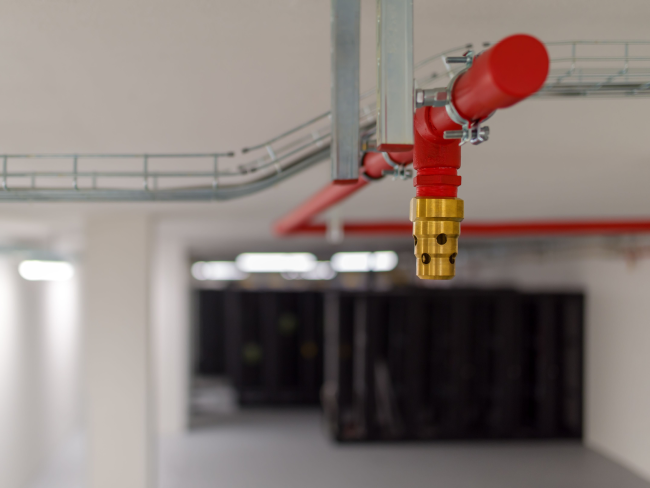
Installation of an Automatic Sprinkler System
with an additional Fire Pump at the Bang Kradee Distribution Center and the Mahachai Factory to enhance the efficiency of the building's fire prevention and suppression system.
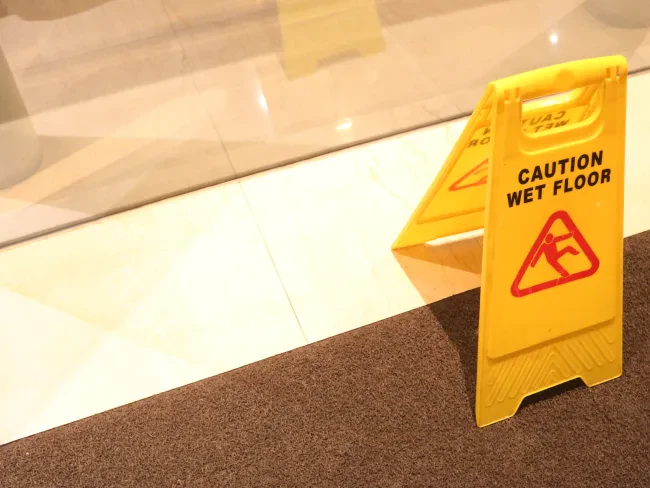
Inspection, correction, and improvement of various hazard warning signs and risky spots.

Promotion of Health and Hygiene
by coordinating with medical facilities to conduct health screenings for Hepatitis B and C, cervical cancer, colorectal cancer, and HIV for interested Head Office employees, due to the increasing trend of cancer incidence.
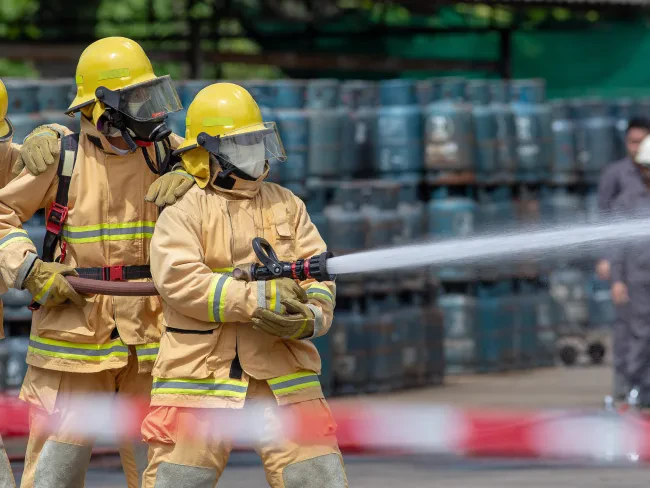
Promotion and Provision of Intensive and Continuous
safety training to reduce the number of accidents, enhance knowledge, and increase safety awareness in the workplace, especially for high-hazard work such as safe transportation vehicle driving, forklift operation, etc.
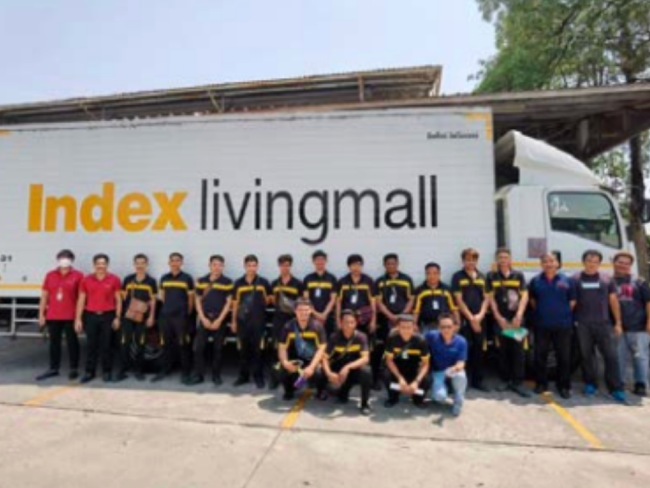
Organizing an Accident Reduction Project Under the Activity Name “Safety Tool Box Meeting”
to facilitate participatory communication and discussion between the safety department and employees from each unit. This aims to exchange ideas and jointly identify accident prevention measures. This is conducted in all units once a month.
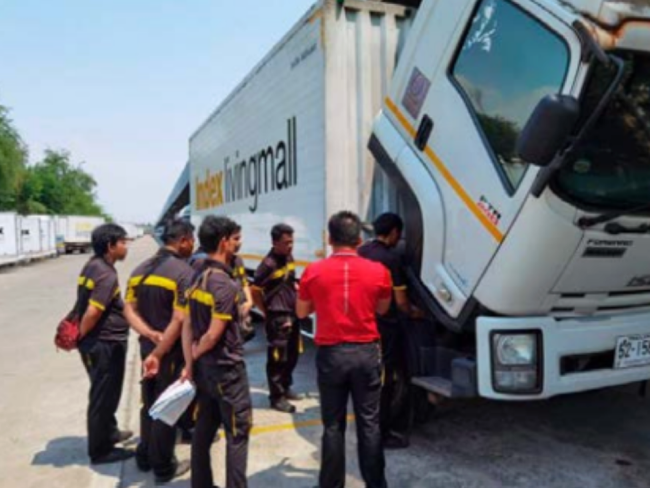
Organizing the annual Safety Week event.
Stakeholders Directly Impacted

Shareholders
Benefits Received
- Long-term investment stability
- Improve organizational reputation from safety management.
Potential Impacts
- Increase costs from investing in occupational health and safety systems.

Customers
Benefits Received
- Confidence in the organization's operating standards.
- Reduce risk of being affected by accidents or undesirable incidents.
Potential Impacts
- Delay in delivery if an accident or disruption occurs due to safety issues.

Business Partners
Benefits Received
- Opportunity to work with organizations that prioritize safety.
- Reduce risk of accidents that may occur during collaboration.
Potential Impacts
- Must comply with stricter safety requirements, which may impact costs.

Communities and Society
Benefits Received
- Reduce risk from incidents that may affect the environment and safety in the area.
Potential Impacts
- If the organization has a serious accident, it may cause anxiety or affect relations with the community.

Government and Others Agencies
Benefits Received
- Good cooperation in complying with laws and regulations.
- To be a good safety role model in the business sector.
Potential Impacts
- Failure to comply with requirements may lead to scrutiny or legal action.

Employees
Benefits Received
- Working in a safe environment.
- Reduce risk of illness or accidents from work.
Potential Impacts
- Stress from strict safety regulations.
- Dissatisfaction may occur if prevention and corrective measures are inappropriate or interfere with work.
