Product Innovation and Service Development for Better Living

Supporting the SDGs Goal


Goals
Performance Highlights 2024

Commitment, Challenge and Opportunity
Product Innovation for All Ages:Creating an Equitable Quality of Life
The Company recognizes the importance of designing products and services that cater to the needs of consumers of all genders, ages, and abilities. This is especially critical in the context of a society rapidly transitioning toward an aging population. Developing products under the Universal Design concept is therefore central to enhancing the quality of life for all consumers in an inclusive and equitable manner. Such development not only addresses functional usability but also reflects care for dignity, safety, and comfort for everyone in society.
However, innovating products that serve all age groups still faces several challenges, including specialized design costs, addressing diverse needs, and adapting production processes to meet safety and environmental standards. At the same time, the Company sees opportunities to create competitive differentiation, expand its customer base, and build stakeholder trust through the development of a product portfolio tailored to the elderly, children, caregivers, and individuals with specific needs, groups that continue to grow steadily.


Accordingly, the Company is committed to developing products and services that are senior-friendly and supportive of those requiring special care
This includes designing products that are easy to use, safe, accommodate diverse physical limitations, and promote a sustainable, high-quality life for people at every stage of life.
Management and Operational Approach
The Company places great importance on developing products and services that enhance the quality of life for all consumer groups, particularly the elderly and those requiring special care- segments of the population that continue to grow steadily in the Thai market. The demographic shift toward an aging society serves as a key driver for the Company to focus on designing products and services that address health, convenience, and safety, while taking into account the physical diversity of users across all age groups. The Company’s approach is as follows:
Universal Design Implementation
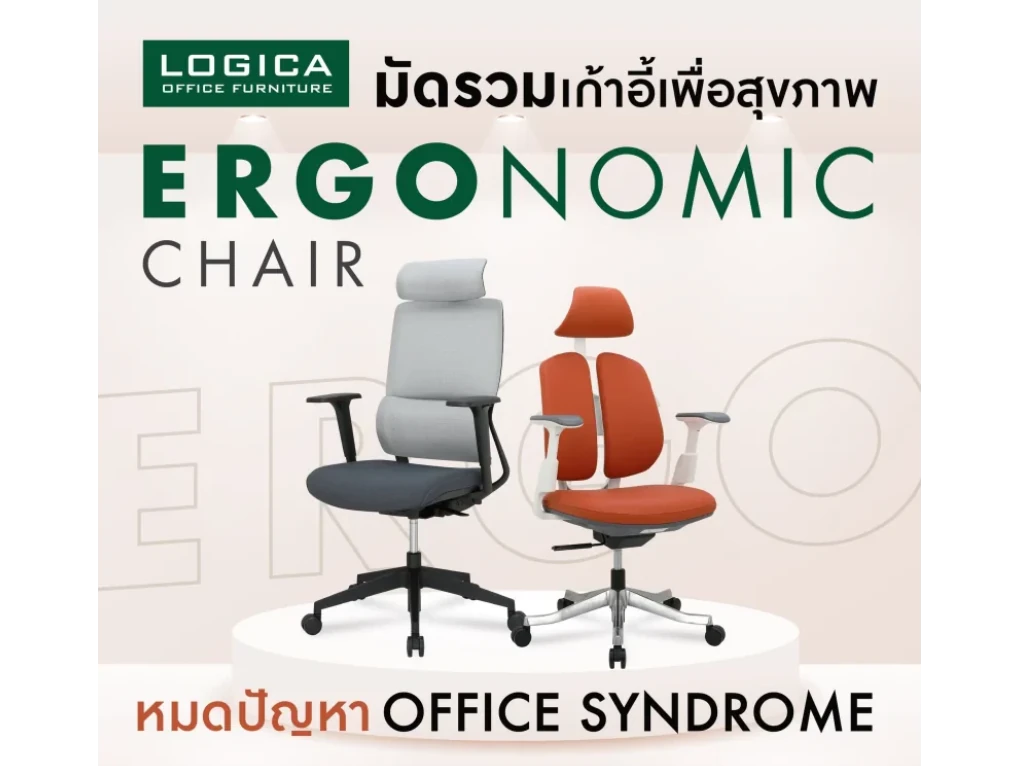
The Company develops products suitable for all age groups, emphasizing safe and convenient use. Examples include chairs without sharp edges to reduce injury risk, sturdy structures that support weight well, 360-degree swivel seats, and wheel-lock systems to prevent slipping or falling.

Design Supporting Independent Living for the Elderly
This includes selecting non-slip materials, designing heights appropriate for elderly ergonomics, and using structures and mechanisms that facilitate safe movement.

Innovation for Special Care
For instance, the CARING series of chairs for the elderly, specifically designed to enhance safety during mobility or use in confined spaces.

User Manuals and Guidance
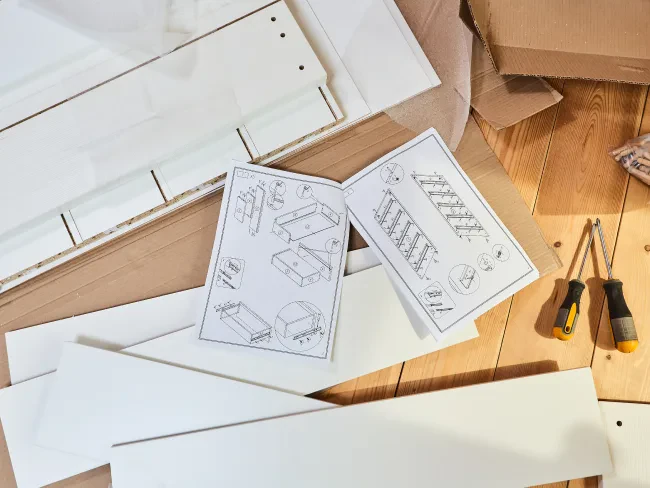
Creating easy-to-understand manuals and providing appropriate usage instructions to help users maximize the benefits of the products, ensuring correct usage and safety.


These approaches align with the Sustainable Development Goals (SDG 3: Good Health and Well-being, SDG 10: Reduced Inequalities) and are also part of the Company’s mission to genuinely enhance the quality of life for all consumer groups.
This is achieved through design that considers users’ capabilities, needs, and equal rights to access products.
Stakeholders Directly Impacted

Customers
Benefits Received
- Receive products and services designed to promote health, safety, and greater convenience in daily life.
- Have product options that meet specific needs, such as for the elderly, pet owners, or individuals with physical limitations.
- Support the use of environmentally friendly materials.
Potential Impacts
- Product prices may be higher due to the cost of quality materials and research and development.
- High expectations for quality may arise, potentially leading to dissatisfaction if products do not meet these expectations.

Employees
Benefits Received
- Learn and develop new skills in design, technology use, and innovation creation.
- Participate in the development of valuable products that generate a positive impact on society.
Potential Impacts
- May need to quickly adapt to new work processes and tools.
- Pressure to continuously deliver innovative results.

Shareholders
Benefits Received
- The organization has long-term growth potential through innovations that address health and environmental trends.
- A positive corporate image is enhanced through contributions to improving consumers’ quality of life
Potential Impacts
- The uncertainty of innovation outcomes may lead to returns that do not meet expectations.
- Innovation costs may be high initially before returns are realized.

Business Partners
Benefits Received
- Opportunities to grow with the Company as a partner in innovation and quality of life
- Participate in developing new solutions and expanding markets for specific customer segments.
Potential Impacts
- Investment is required to develop technology, materials, or production processes to comply with new standards.
- Cooperation may be lost if the specified quality and sustainability standards are not maintained.

Communities and Society
Benefits Received
- Benefit from products and services designed with health and environmental considerations.
- Generate employment and stimulate the economy through the local production of innovative products.
Potential Impacts
- Without proper communication, misunderstandings may arise regarding the impact of new innovations.
- Changes in consumption patterns may affect traditional local businesses.

Government and Others Agencies
Benefits Received
- Receive collaboration from the organization to promote quality of life in line with the Sustainable Development Goals (SDGs).
- Support goals related to health, the environment, and the circular economy.
Potential Impacts
- Regulations must be updated to keep pace with new innovations.
- There is an increased burden to monitor and evaluate performance according to the new standards.