The Development of Environmentally Friendly Products and Packaging

Supporting the SDGs Goal


Goals
Performance Highlights 2025

Commitment, Challenge and Opportunity

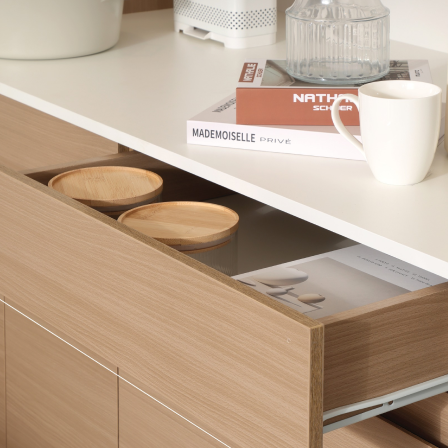
Index Living Mall Public Company Limited places great importance on developing environmentally friendly products and packaging. The Company focuses on designing and developing products with consideration for minimizing environmental impact throughout the product lifecycle, from raw material selection and production processes to transportation and post-use management.
This approach aims to promote efficient resource use, reduce waste, and support the sustainable conservation of natural resources.
However, advancing the development of environmentally friendly products faces several challenges, such as the complexity of sourcing environmentally certified raw materials in sufficient quantities, potentially higher production costs from using alternative materials or clean technologies, the need to adjust production processes and supply chains to meet international standards, and the necessity of building understanding and collaboration with partners, employees, and consumers to gain acceptance and participation in sustainability goals.
On the other hand, this commitment presents significant opportunities to create differentiation and competitive advantage by offering innovative products and packaging that meet the expectations of modern consumers who value environmental sustainability and social responsibility. Moreover, transparent and tangible actions help strengthen corporate governance image, increase confidence among shareholders, investors, and regulatory agencies, and expand market opportunities among environmentally conscious customers both domestically and internationally.
Management and Operational Approach
Index Living Mall Public Company Limited is committed to expanding the proportion of environmentally friendly products and packaging in its portfolio. The Company develops and designs furniture and home décor products
using natural, biodegradable materials in line with sustainability principles, supporting the country’s natural resource conservation goals.
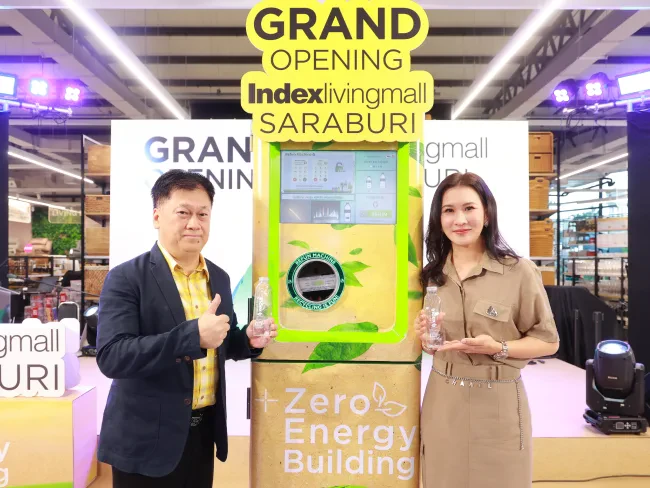
To clarify the expansion of new products and packaging development as ECO PRODUCTS, the Company classifies ECO Products into four main categories as follows:
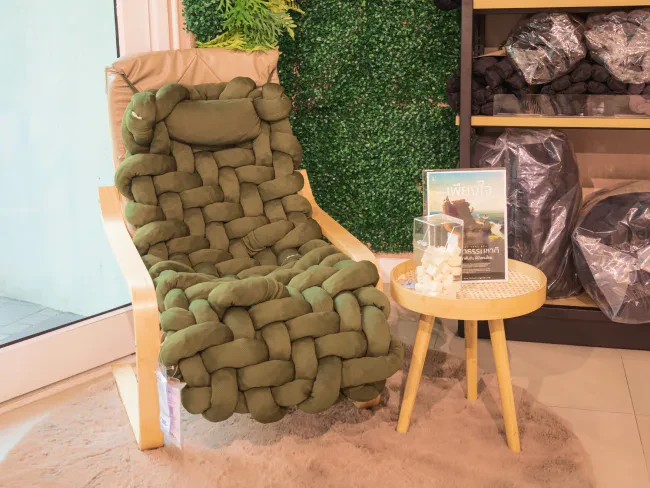
Recycled Group (Recycled Materials)
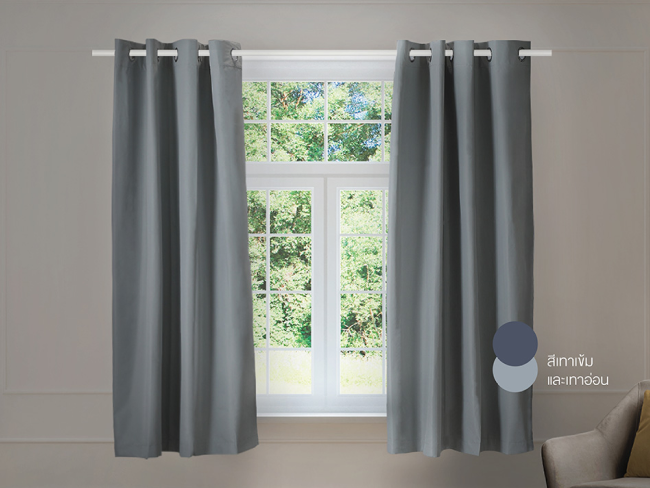
Energy Saving Group
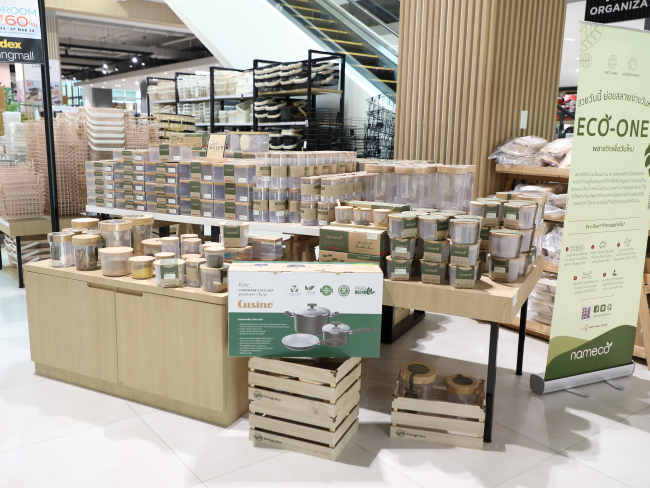
Biodegradable & Kitchen Product Group
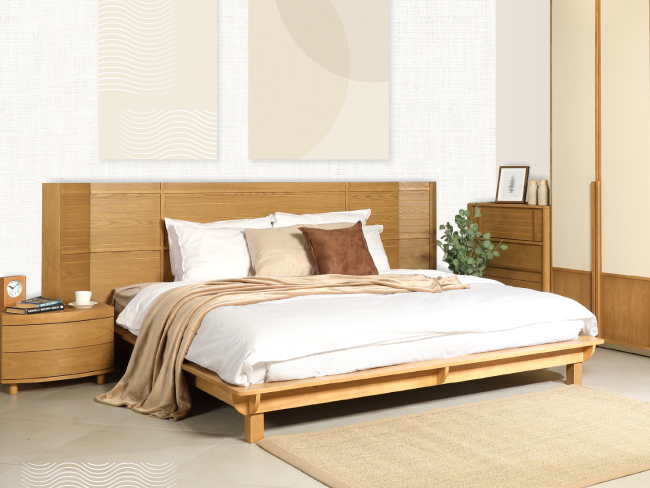
Eco-Friendly Product Group
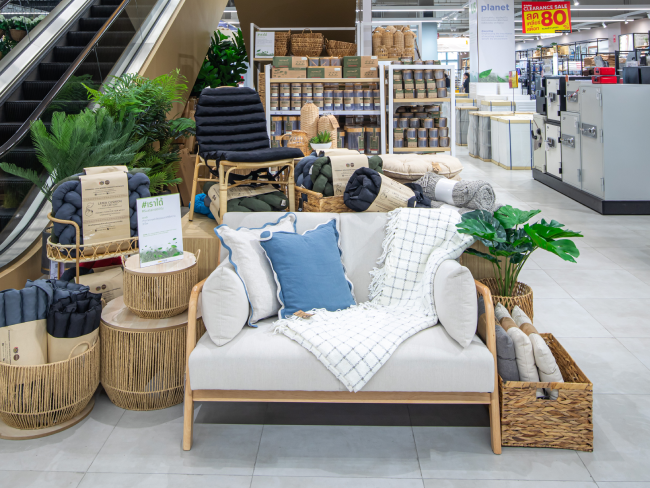
This product group focuses on efficient resource use by taking leftover materials from the production process or used materials from consumption and processing them for reuse. This approach helps reduce waste and minimize the use of new resources. Products in this group contribute to lower greenhouse gas emissions and support the circular economy.
Key Features
- Uses recycled fibers from PET plastic bottles or used textiles to produce cushions and seat pads.
- Processes leftover wood and paper scraps from furniture production into new molded products.
- Helps reduce landfill waste and adds value to leftover materials.
Product examples
Cushions, seat pads, and home décor items in the Living category


This product group is designed to reduce energy consumption in consumers’ daily lives, focusing on temperature control, comfort, and the use of materials that enhance energy efficiency in homes and living spaces.
Key Features
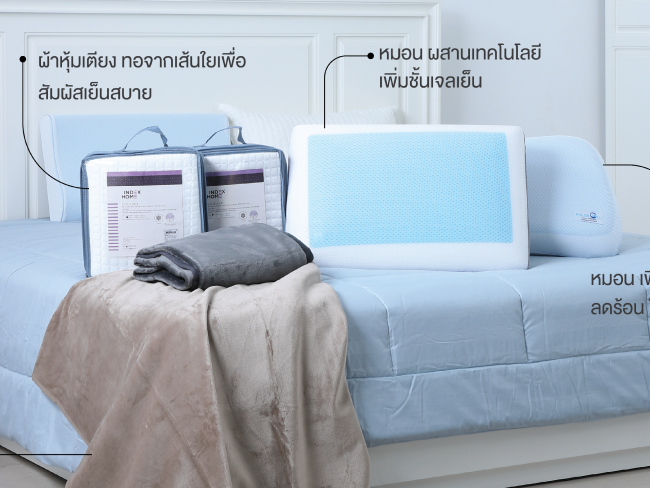
- Blankets, bed sheets, and bedding sets with good heat/cold retention properties, reducing the need for air conditioning or heaters.
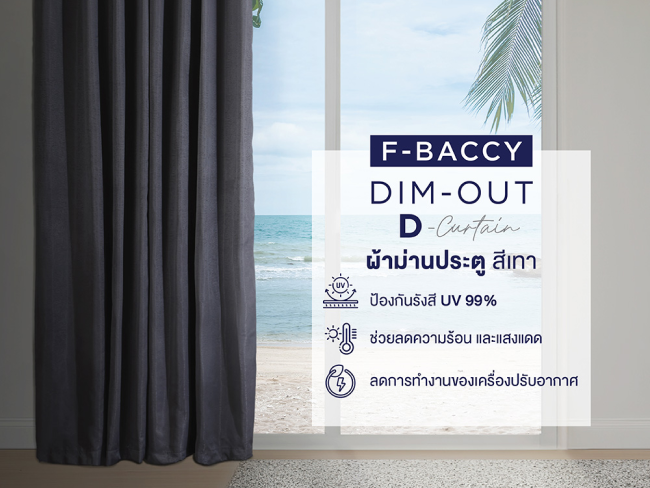
- Blackout and thermal curtains that reduce sunlight and UV penetration, helping lower electricity consumption for air conditioning.
-
Innovative mattresses and pillows, such as
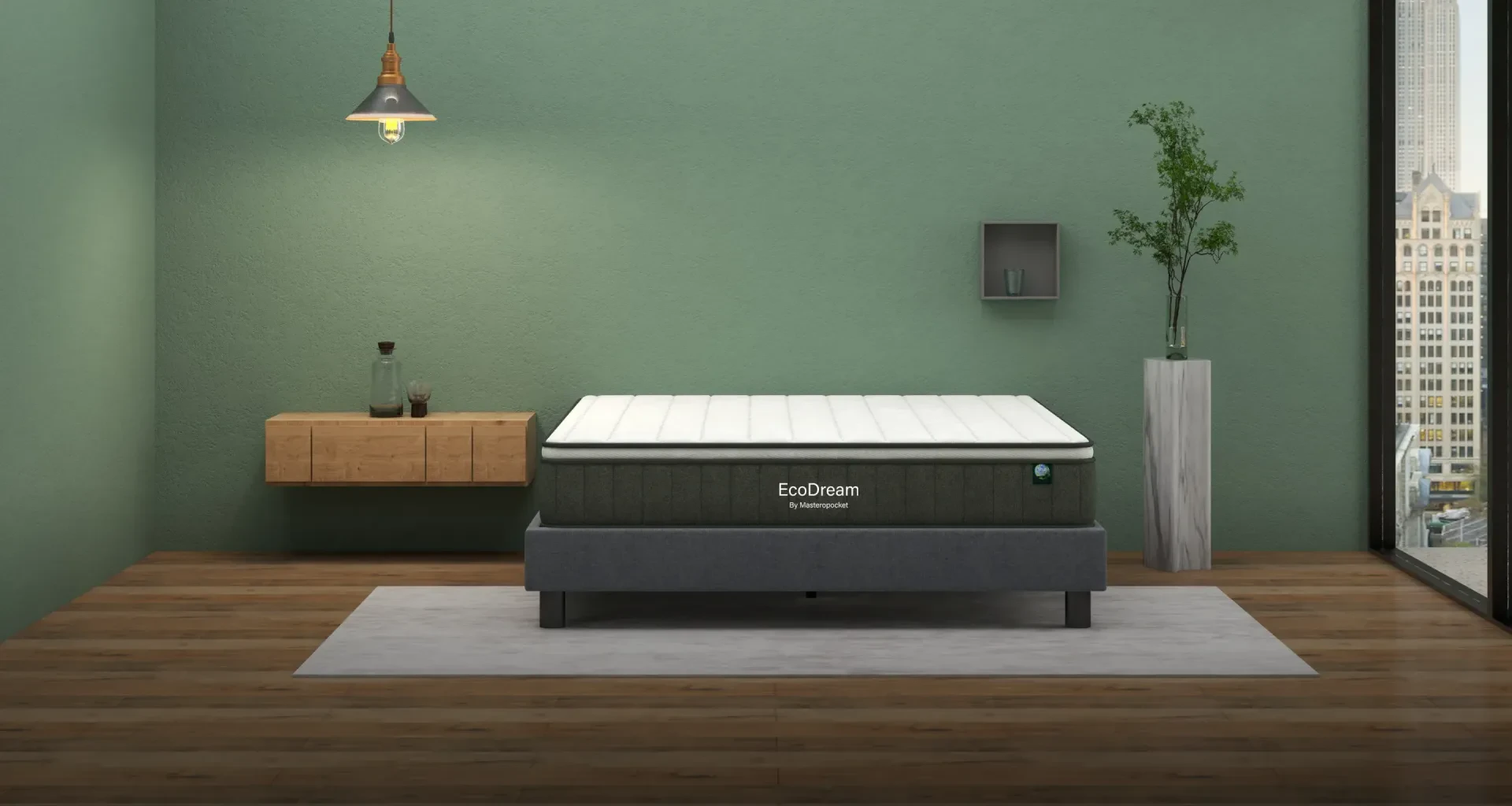
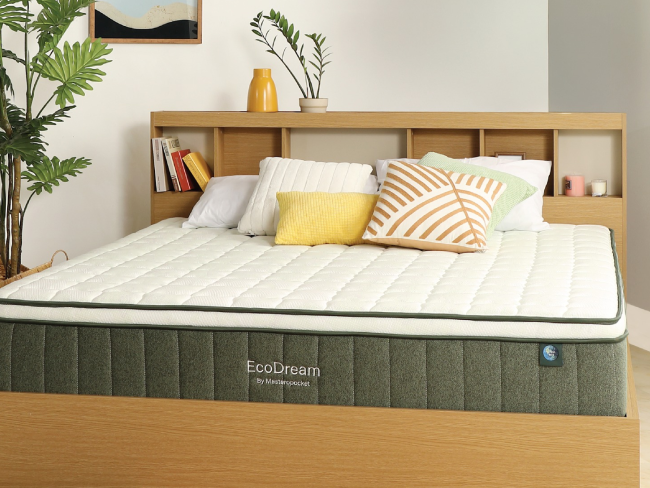
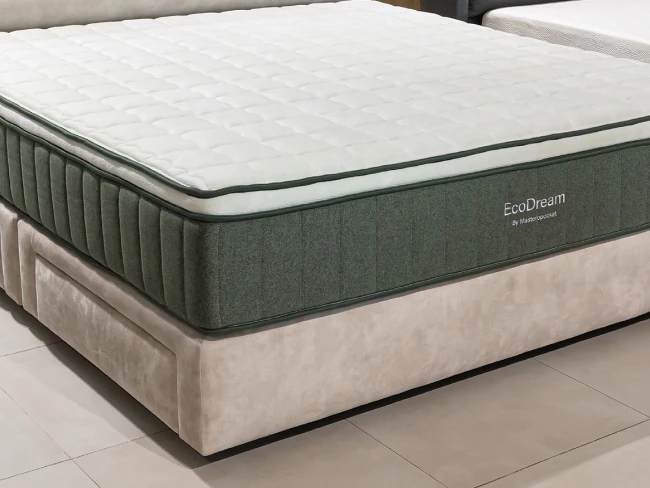
- Penthouse Suite An energy-efficient, cooling mattress in the Hotel Series under the Theraflex brand. It features innovative cover fabric that maintains a cool temperature, reduces heat buildup, and enhances sleep comfort, resulting in approximately 10% lower air conditioning usage and a similar reduction in greenhouse gas emissions.
- Tencel Made from natural fibers that help reduce heat retention and enhance softness and comfort.
- Sorona Made from natural plant fibers that provide flexibility and good breathability.
- Uses bio-based memory foam made from plants to reduce petroleum consumption.
Product examples
Penthouse Suite, EcoDream Series in the INNOVATION line under the Theraflex brand, energy-saving curtains, and energy-efficient bedding sets.

1. Biodegradable Products
Items made from a material blend containing 20% seashell powder, which enhances strength and durability for both indoor and outdoor use. These products are biodegradable after the end of their lifecycle, making them suitable for storage containers, baskets, and home organizing drawers.
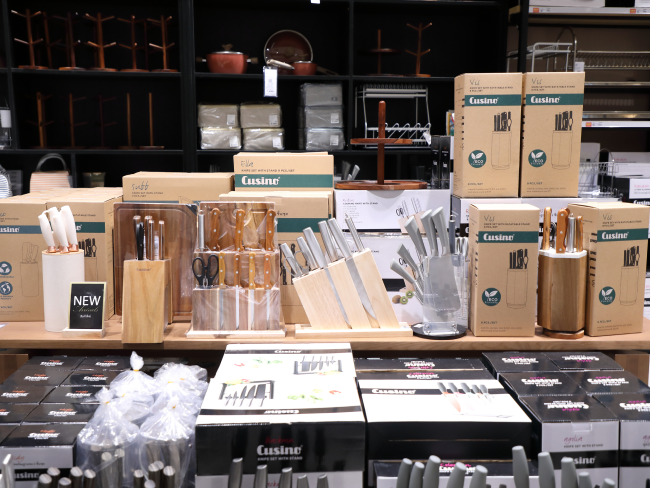
2. Natural Material Kitchenware
Made from materials such as rice husks and wood, including food containers, dishes, and kitchen utensils. These products are created by upcycling agricultural waste, adding value instead of discarding or destroying it, thereby reducing waste and addressing environmental issues. They are produced through standardized processes, free from harmful chemicals, clean, safe for users, and biodegradable within 6-12 months.
Key Features
- Strong and durable
- Safe for users and environmentally friendly
- Biodegradable
- Reduces the use of fossil resources and helps lower greenhouse gas emissions
Example products
food containers made from plant fiber, tableware made from plant starch, and biodegradable plant pots


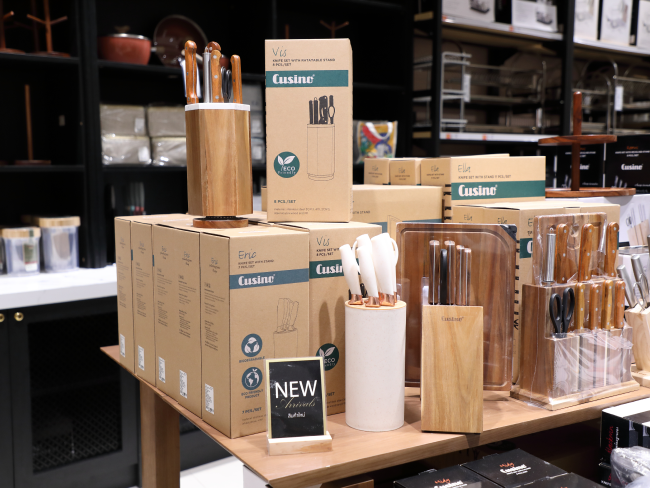

This product group is made from natural materials, focusing on minimizing environmental impact throughout the entire production process and ensuring that all materials used are safe for both consumers and the environment. Currently, the Company offers 170 SKUs in this category, including chemical-free wooden furniture and products made from environmentally certified plantation wood.
Examples include the Ecofriendly-WASABI Series and Ecofriendly-BRAZIL Series, which use rubberwood sourced from domestic plantations, a renewable resource that helps reduce logging from natural forests, reduce ecological impacts and promote sustainable forest conservation. Moreover, these initiatives help diversify the Company’s eco-friendly product portfolio, catering to consumers who value social and environmental responsibility.

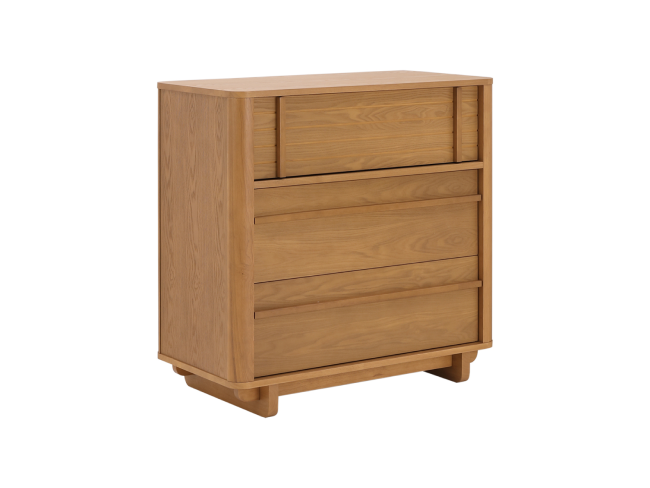
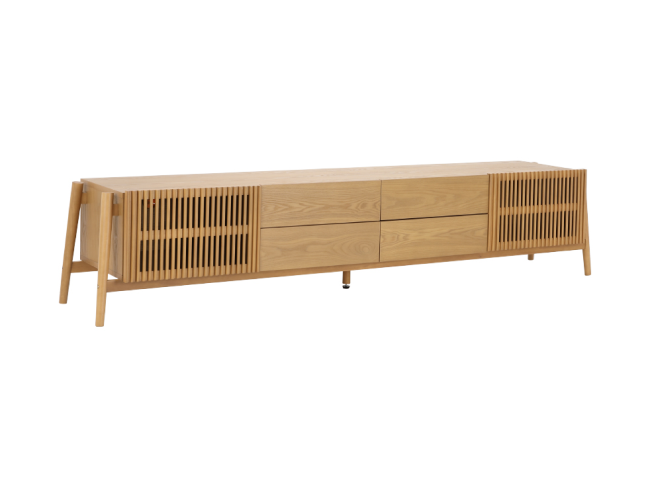
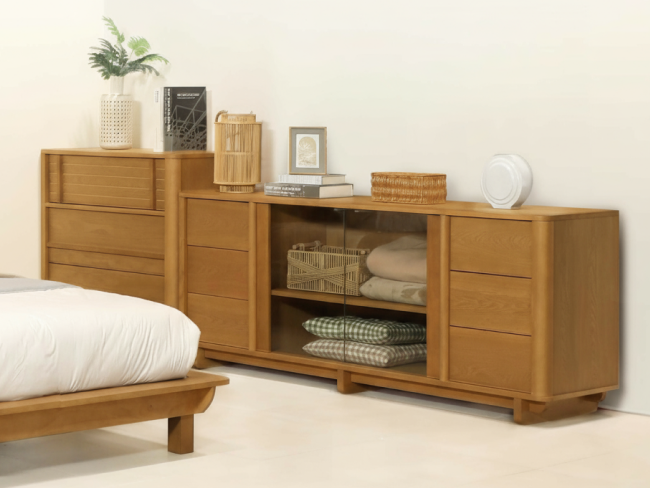
1. Ecofriendly-OKINAWA Series
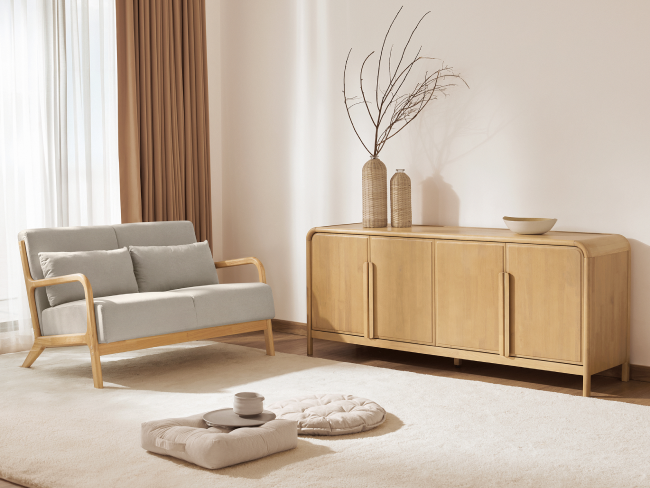
Bedroom and living room furniture from the Okinawa collection stands out with its Japandi style, combining simplicity with warmth. The collection is crafted from rubberwood blended with high-quality ash veneer, both renewable materials that help reduce dependence on natural forest wood and minimize environmental impact.

2. Ecofriendly-Seoul Series
The bedroom and living room furniture features MDF painted doors and a structure made from melamine-coated particle board (Grade E0) on the sides, top, and back panels. This international-grade material significantly reduces formaldehyde emissions to just 0.5 mg/m³, which is lower than the general international standard of 0.9 mg/m³. As a result, the products are safe for users’ health and environmentally friendly.
Note: The E0 standard is a benchmark that controls the formaldehyde emission levels from engineered wood materials such as MDF, plywood, and particle board, ensuring that emissions remain at a low and safe level for human health.
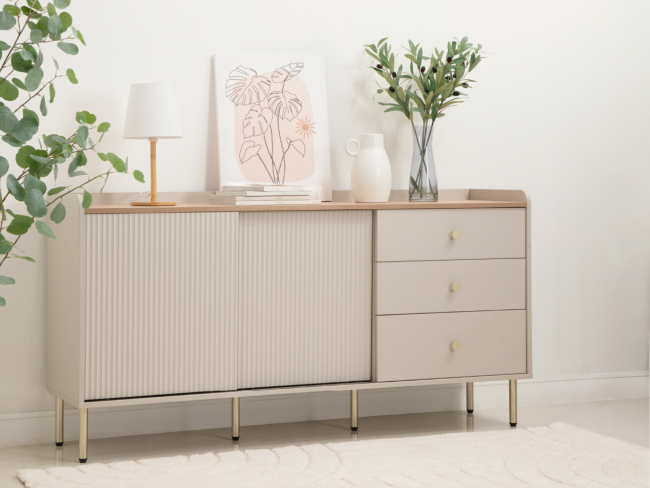

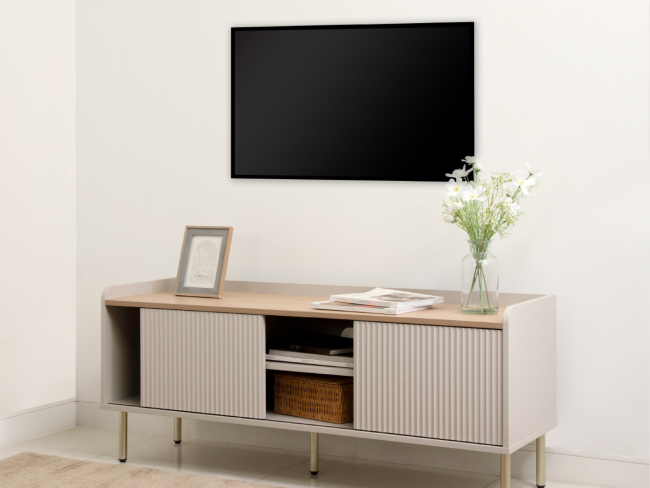
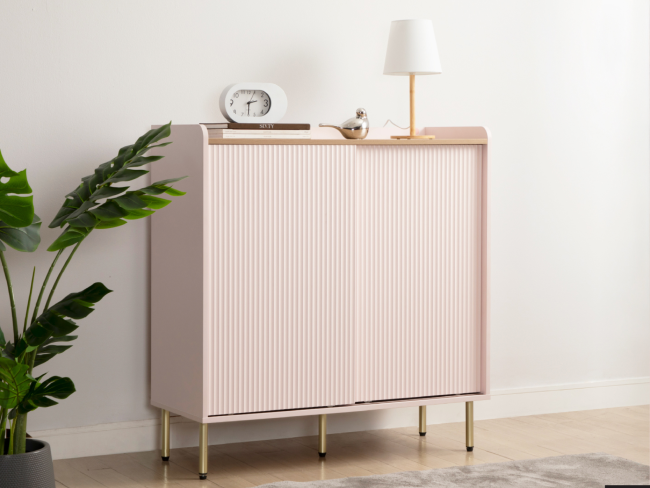
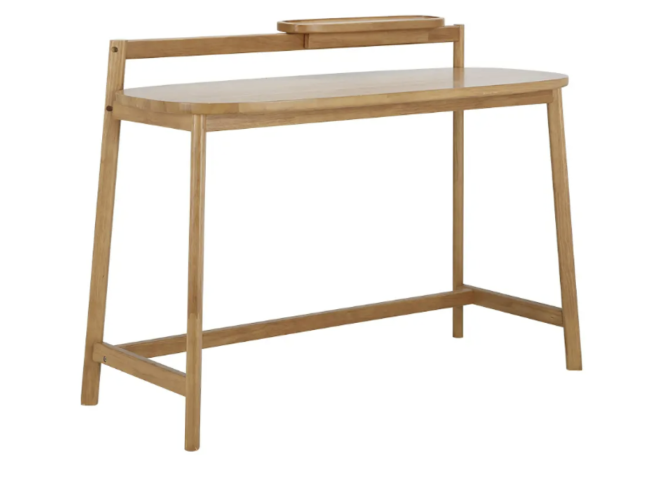
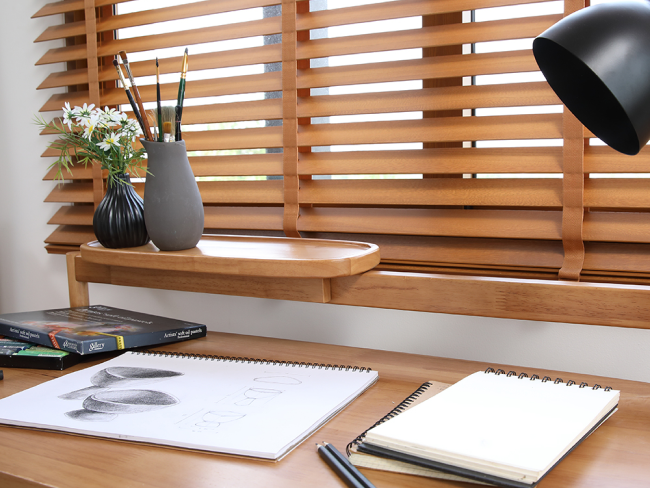
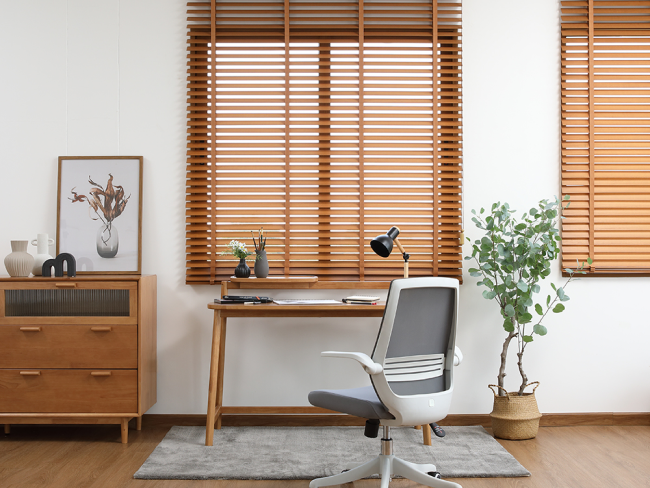
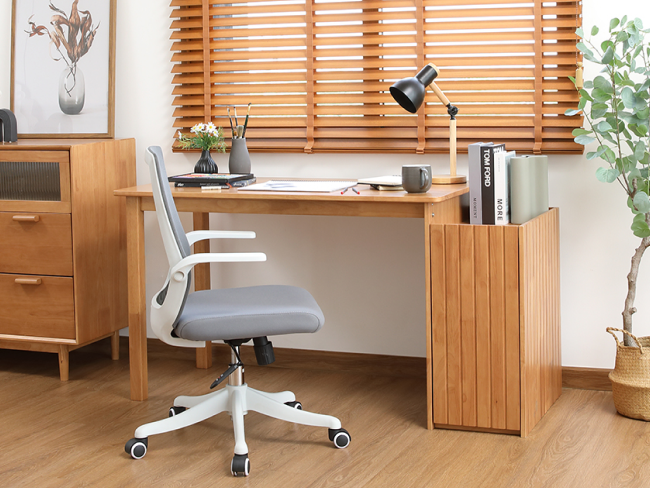
3. WASABI Series Work Desk - RYO and RYUU Models
Designed using natural materials made from solid rubberwood, meticulously crafted to create durable and long-lasting products suitable for everyday use. The design seamlessly complements various interior styles while remaining environmentally friendly.
RYO model
Features rounded corners for safety and a movable tray that can support a maximum weight of 40 kg.
RYUU model
Comes with a built-in storage cabinet, designed for smart space utilization, and can support a maximum weight of 50 kg.
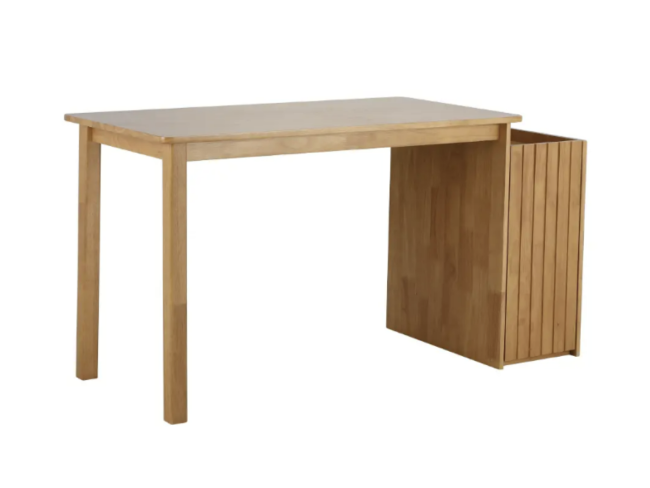
Both models are part of the TEAM Series, made from FSC-certified wood (Forest Stewardship Council) sourced from sustainably managed forests. This supports environmental conservation, social responsibility, and economic standards in line with international guidelines, ensuring that users can be confident the products are not only high-quality but also genuinely eco-friendly.
Note: The FSC (Forest Stewardship Council) is an international organization that sets standards for sustainable forest management, certifying that wood and wood products come from sources that are environmentally, socially, and economically responsible.

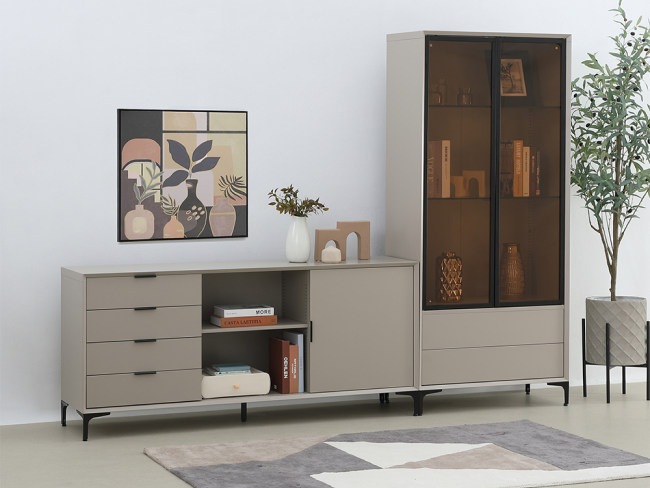
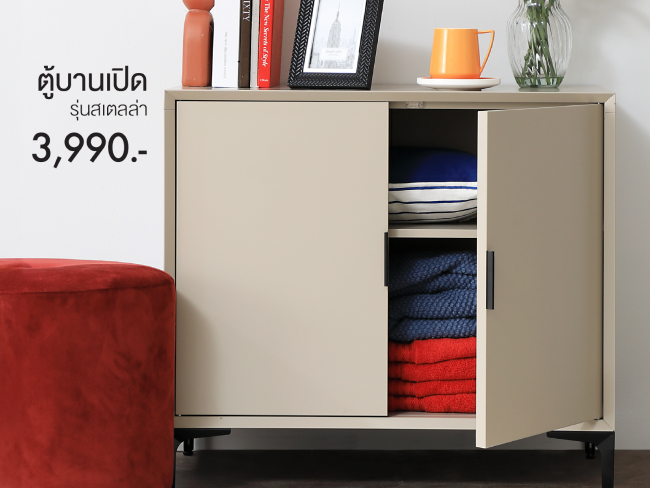
4. Products in the Ecofriendly-STELLA Series metal cabinet group
The Ecofriendly-STELLA Series metal cabinets are produced using powder coating, an environmentally friendly technology that is safe for employees’ health as it does not emit harmful or volatile substances. It also provides a durable and aesthetically pleasing coating finish.
The production process is carried out in a factory certified under ISO 14001 for environmental management, which sets guidelines for efficient resource use while systematically reducing waste and environmental impact. As a result, products in this series not only meet requirements for strength and functionality but also clearly align with the Company’s sustainability goals.


5. Home Decorative Items: HDI
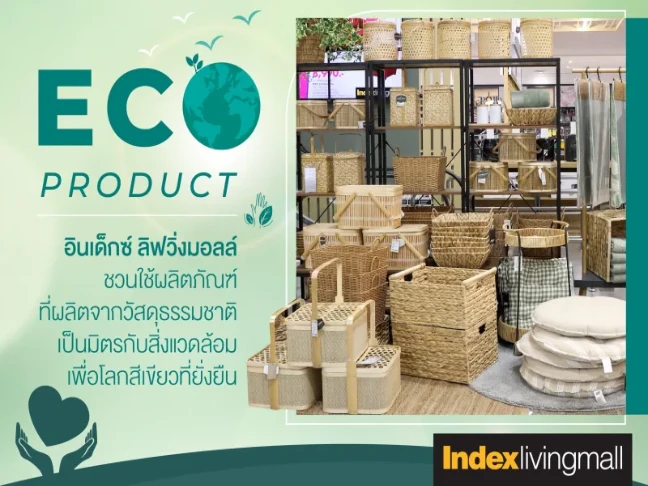
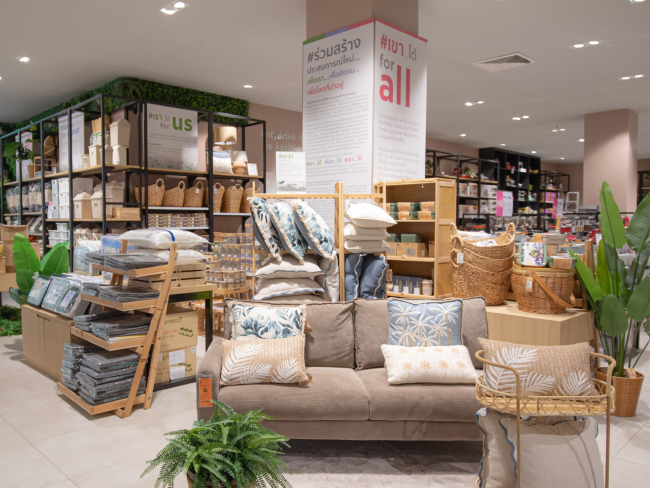
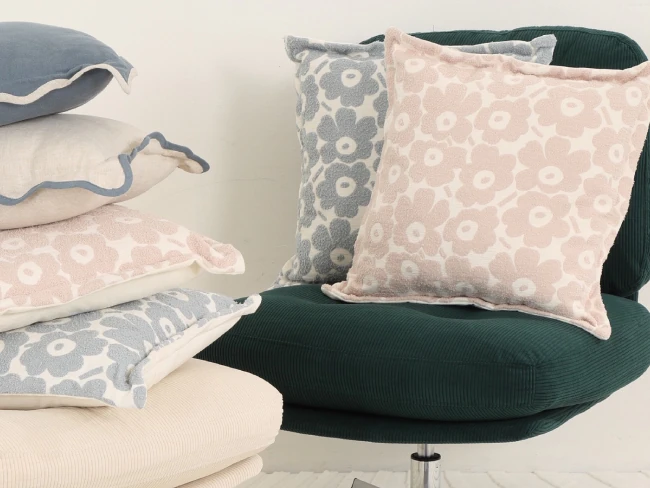
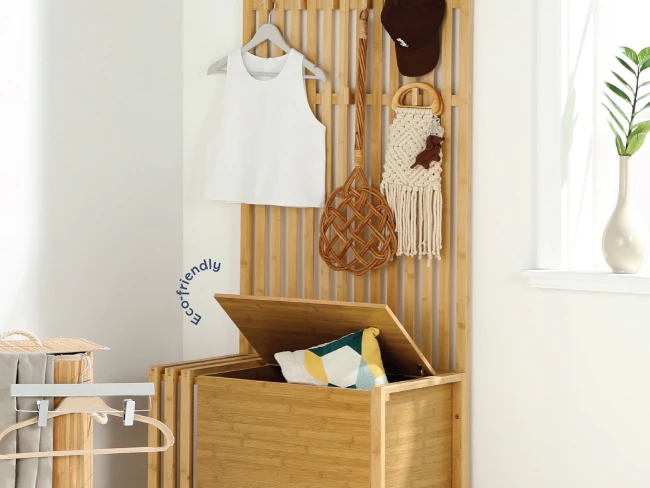
The Company has expanded its home décor product market with a greater focus on natural materials such as bamboo, paper, rope, water hyacinth, and seashell-based materials. It also recycles production waste, like used cotton, into pillow fibers to reduce the use of new resources. Currently, Eco Products account for 16% of the total product range, generating approximately 25% of sales, or around 70 million Baht.
In addition, the Company has developed environmentally friendly packaging, using paper or biodegradable materials, reducing the use of plastics and chemicals that may harm the environment and ecosystems. This redesigned packaging now covers 70% of products sold under the House Brand.
The Company’s Eco-Friendly home décor products are made from natural and biodegradable materials, covering a wide range of product types to meet demands for aesthetic appeal, functionality, and environmental responsibility. Examples include:
Energy Saving Product Group
The Company develops products to reduce energy consumption and promote sustainable living, focusing on lowering electricity use and carbon dioxide emissions through design and the selection of materials with special properties, as follows:
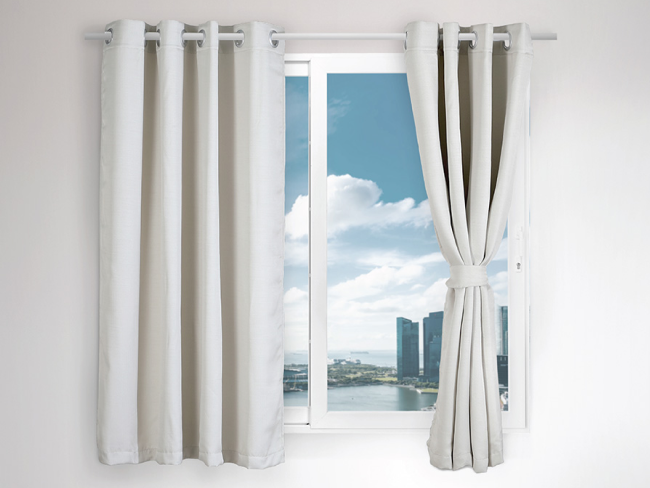
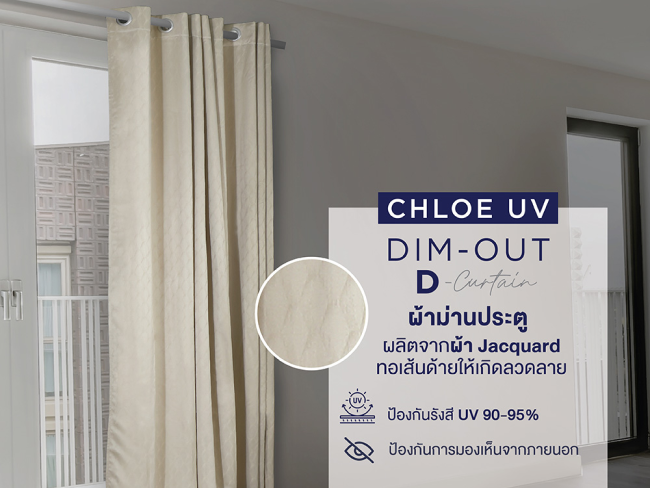
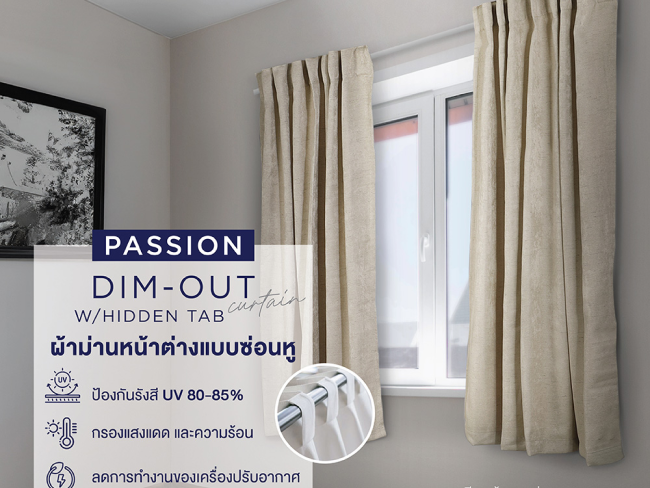
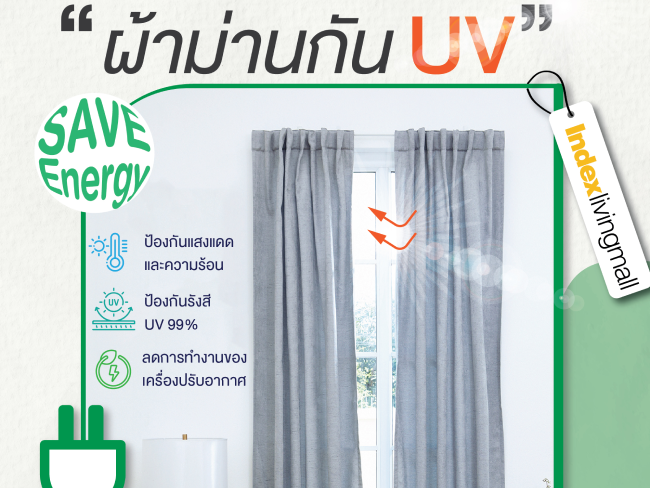
1. Blackout and Thermal Curtains
Block and reduce external light reflection by over 50%.
- Reduce heat entering the building, helping to lower air conditioning usage.
- Protect against UV radiation that can harm skin and indoor furniture.
- Made with silicone fibers that prevent dust adhesion, making them easy to maintain and extend their lifespan.
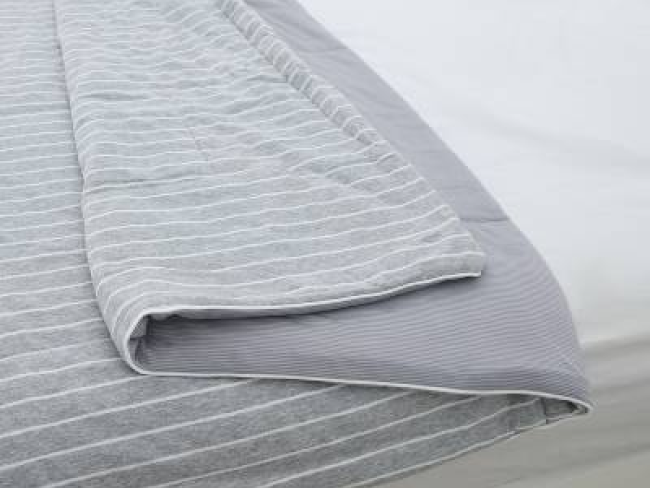
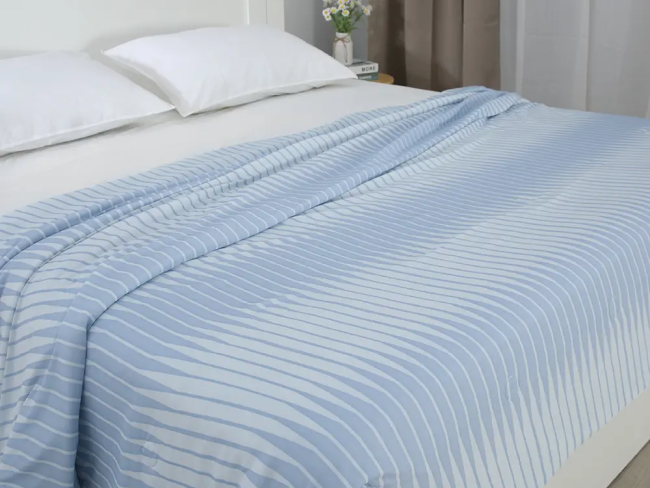
2. Bedding Products
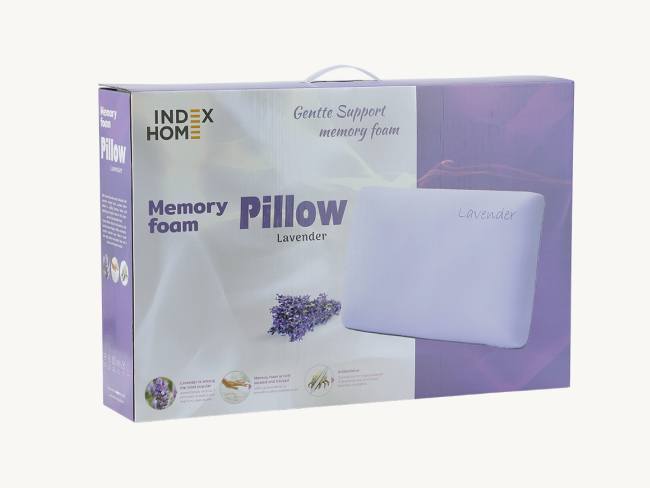
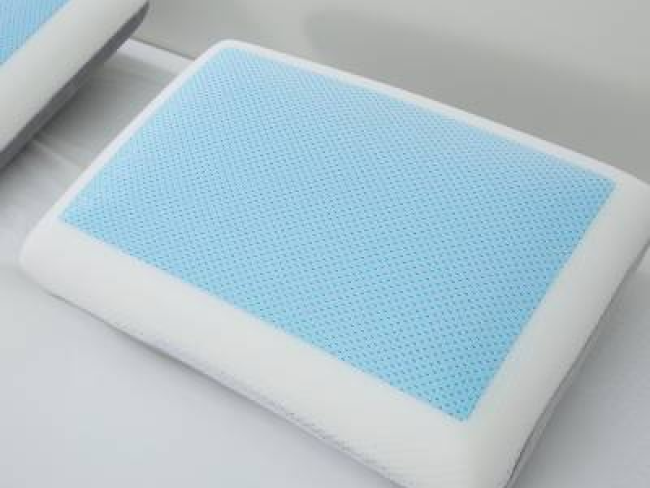
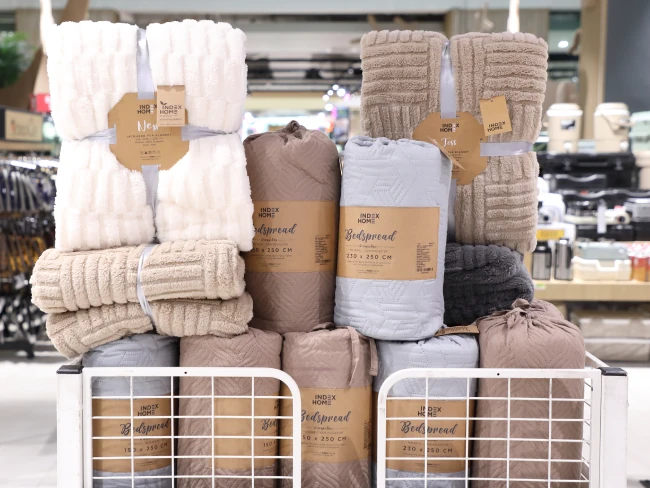
Design to reduce air conditioning use by incorporating materials and technologies that help regulate temperature, such as cooling pillows and blankets.
- Maintain a comfortable temperature 2-5°C below room temperature.
- Allow the air conditioner to be set 1-2°C higher, reducing electricity consumption by approximately 10% and lowering carbon dioxide emissions.
These products not only help save on energy costs but also enhance comfort and support a more environmentally conscious lifestyle in the long term.
3. Garden Products
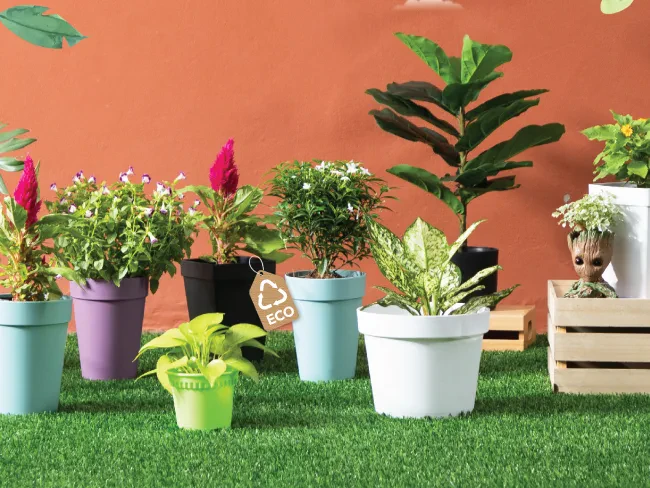
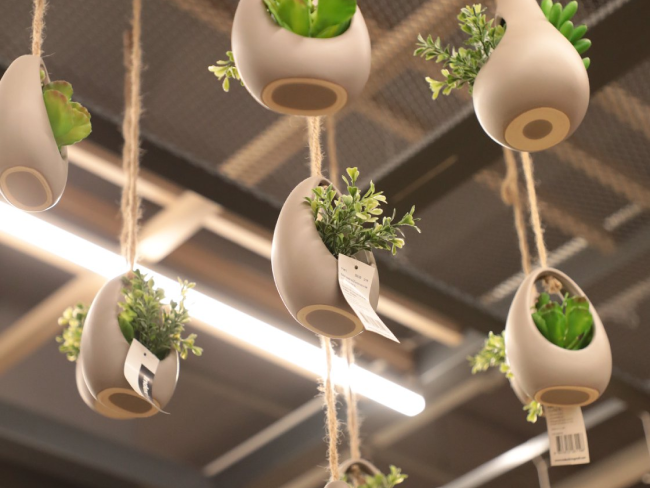
Products that focus on environmental friendliness, such as biodegradable plant pots and organic, chemical-free fertilizers or liquid fertilizers, suitable for both indoor and outdoor decoration. Help reduce the use of synthetic materials and minimize environmental impact.


4. Living Products
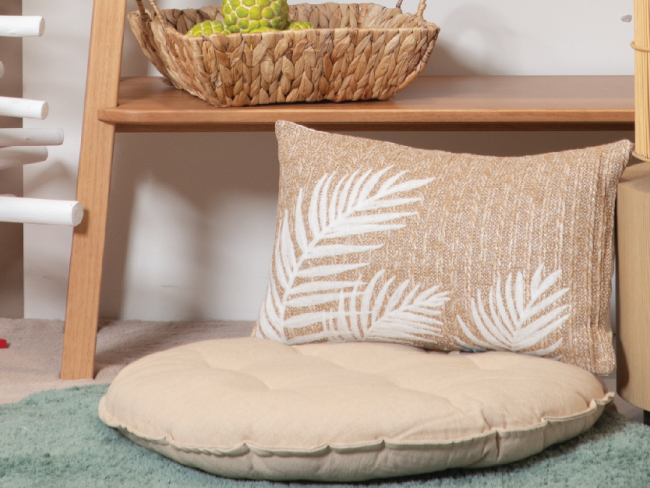
Use recycled yarn to produce cushion and seat pad fillings, and incorporates natural materials such as bamboo, jute fibers, and recycled paper for home décor items and rugs. This enhances aesthetics and comfort while also helping to reduce textile and plastic waste.
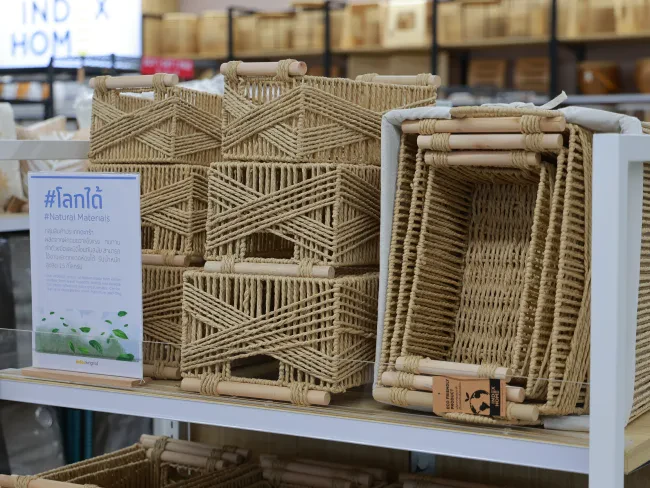
5. Home Solution & DIY Products
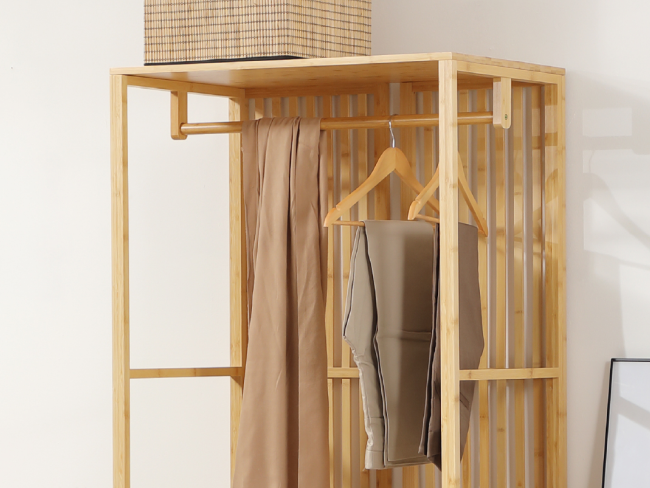
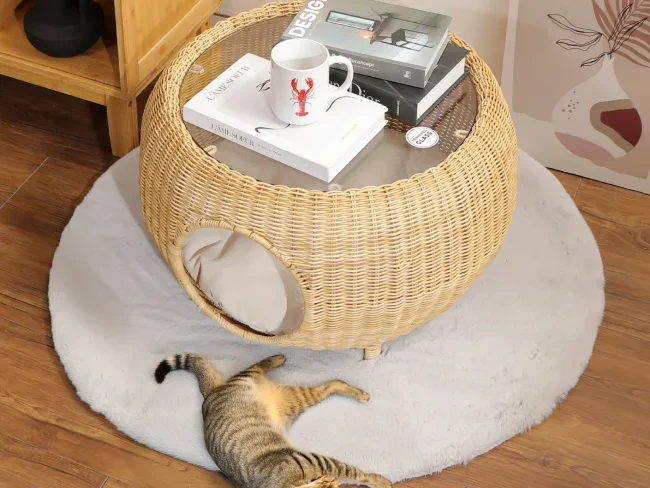
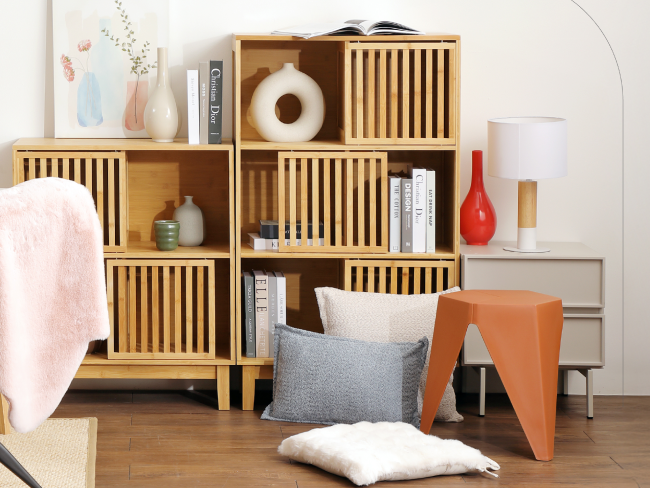
- Products made from easily biodegradable natural materials, such as bamboo, water hyacinth, seagrass, willow, rattan, and paper rope, used to make shelves, chairs, storage racks, and baskets.
- These materials require less energy to produce compared to plastic and metal, helping to reduce greenhouse gas emissions and minimize environmental impact.

Key Features
1. Natural Materials and Environmental Standards
- Use natural and renewable materials, such as rubberwood from plantation forests, bamboo, water hyacinth, seagrass, rattan, jute fibers, and paper rope.
- Certified witho environmental standards, such as FSC (Forest Stewardship Council) for sustainable forest management and ISO 14001 for environmental management.
- Reduce the use of natural forest wood and minimize the use of plastics or harmful chemicals.
2. Safe for Consumers
- Use E0-grade or equivalent materials to minimize formaldehyde emissions, ensuring health safety.
- Manufacturing processes, such as powder coating, are free from harmful volatile substances.
3. Design and Function
- Offer varied designs, such as Japandi Style, combining simplicity and warmth.
- Efficient use of space, e.g., RYO and RYUU desks with storage functions and high weight capacity.
- Sturdy and durable, designed for long-lasting use.
4. Energy Saving and Carbon Footprint Reduction
- Light- and heat-blocking curtains: reduce air conditioner usage and protect against UV radiation.
- Energy-saving bedding: maintains a comfortable temperature, reducing electricity consumption.
- Promote long-term environmentally friendly living.
5. Product Range Expansion and Diversification
- Currently, there are over 538 SKUs covering furniture, home décor, garden products, and energy-saving items.
- Eco Products account for 27.6% of the total product portfolio and generate 31.3% of sales (approximately 80 million Baht).
- Environmentally friendly packaging covers 70% of products under the House Brand.

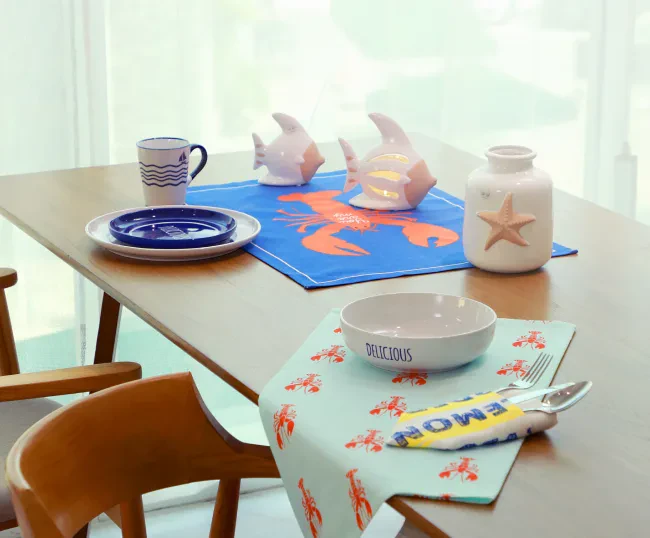
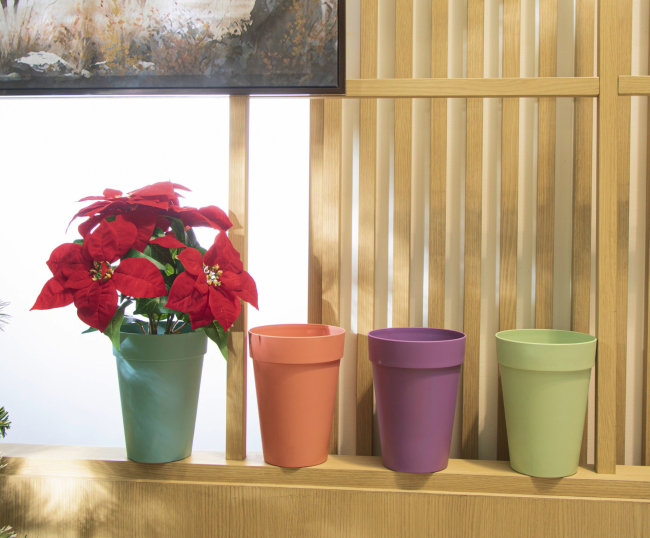
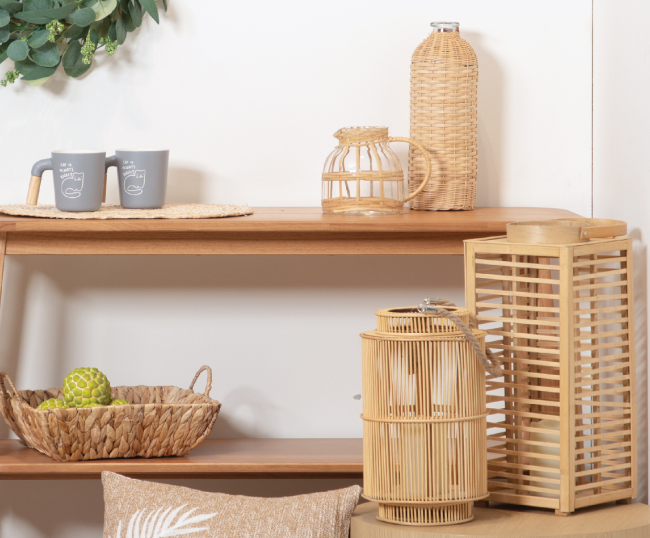
Examples of products in the ECO PRODUCT group
Natural Materials and Environmental Standards
Uses plantation wood and renewable materials, reducing the use of natural forest timber; certified by FSC and ISO 14001.
Example Brands/Models
Ecofriendly-WASABI Series, Ecofriendly-BRAZIL Series, Ecofriendly-OKINAWA Series
Consumer Safety
Uses E0-grade materials to reduce formaldehyde emissions; Powder Coating process is free of harmful volatile substances.
Example Brands/Models
Ecofriendly-Seoul Series, Ecofriendly-STELLA Series
Design and Function
Varied designs, such as Japandi Style; storage functions; supports heavy loads; durable for long-term use.
Example Brands/Models
WASABI Work Desk - RYO model (rounded corners, movable storage tray), RYUU model (built-in storage cabinet).
Energy-saving and carbon-reducing
Reduce electricity consumption and greenhouse gas emissions, e.g., heat-blocking curtains, temperature-regulating bedding
Example Brands/Models
Energy Saving Curtains, Cooling Pillow & Blanket
Eco-Friendly garden and home décor products
Use biodegradable materials and chemical-free organic materials
Example Brands/Models
Garden Series (biodegradable pots, organic fertilizers)
Use recycled materials / reduce waste
Use recycled fibers and natural materials in home décor and rugs.
Example Brands/Models
Living Series (Cushions and Seat Pads made from recycled fibers)
Alternative materials to replace plastic and metal
Use fast-biodegradable natural materials that require less energy to produce.
Example Brands/Models
Home Solution & DIY (Furniture and household items made from bamboo, water hyacinth, seagrass, rattan, and paper rope)
Environmentally friendly design
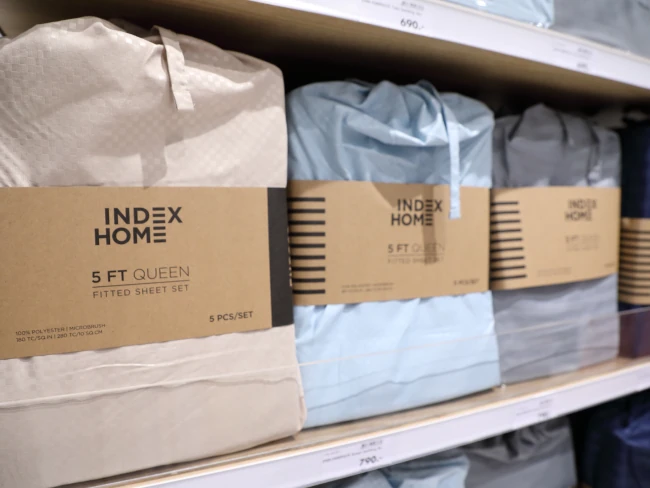
In addition to developing products in the Eco Product category, the Company places great importance on selecting environmentally friendly packaging. The focus is on using alternative materials made from renewable resources and natural materials to minimize impacts on ecosystems and the environment at every stage, from design and material selection to the production process.
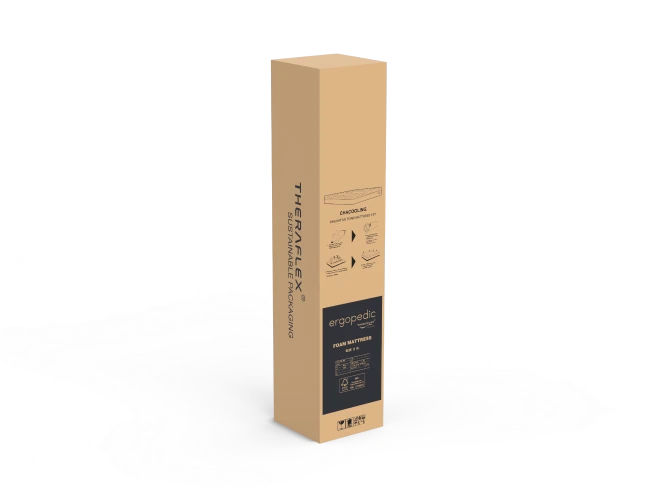
For pillow packaging, the Company has adopted the Compress Rolling technique, which significantly reduces the package size, making it more convenient for transportation and storage. This also maximizes space efficiency during delivery, allowing up to five times more products to be transported per trip compared to traditional packaging. Moreover, this approach helps reduce energy and resource consumption in the logistics process and lowers overall greenhouse gas emissions.
Implementing such environmentally friendly packaging not only elevates the Company’s sustainability standards but also meets the expectations of modern consumers who prioritize social and environmental responsibility.
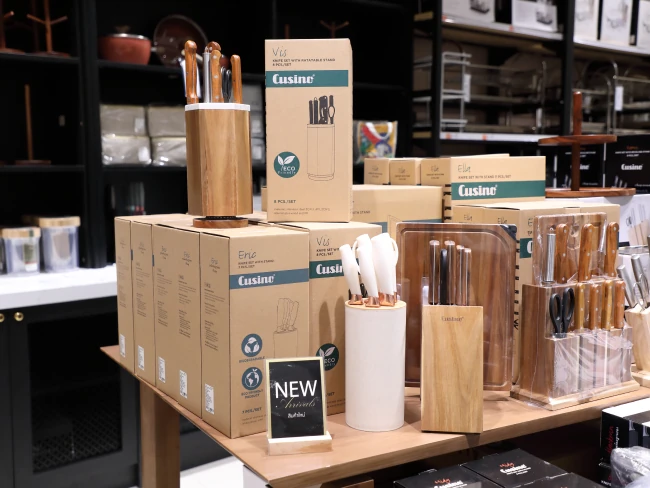
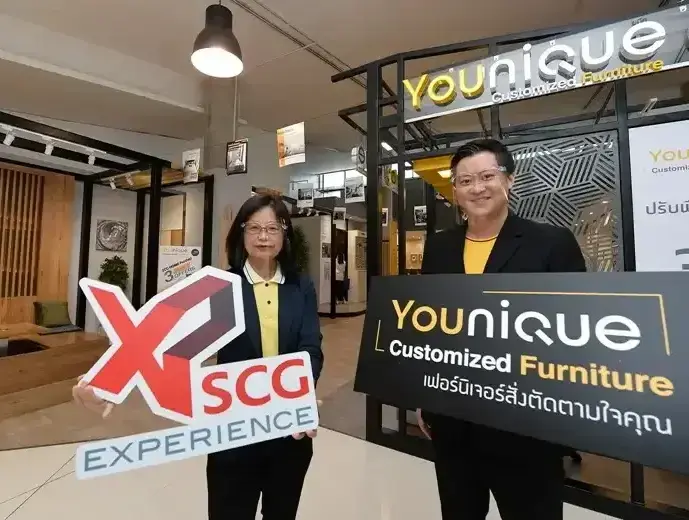
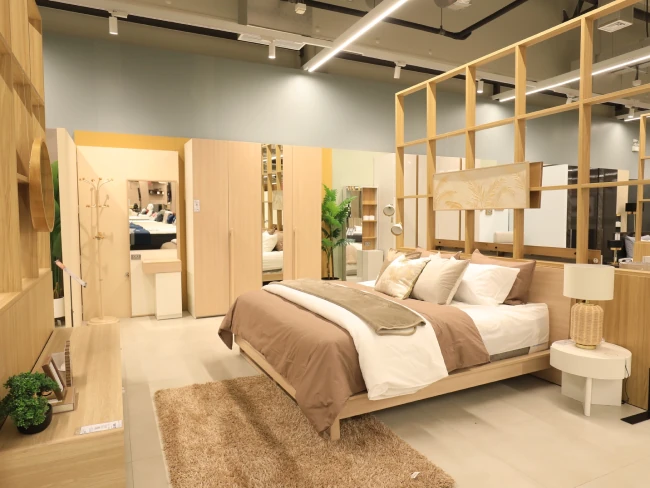
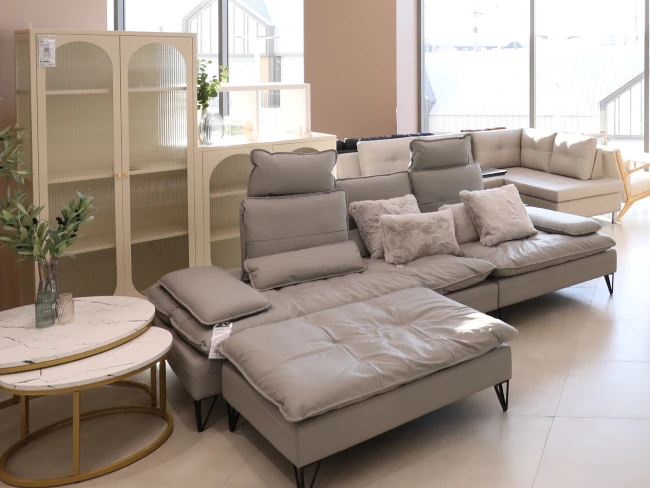
Development of Furniture and Younique Production System for Personalization (Mass Customization) The Company has developed the Younique concept, a platform for customized furniture design that allows customers to select size, color, functionality, and usage style according to their personal preferences. This system leverages digital tools to analyze customer behavior, enhancing the efficiency of design and production planning.
Additionally, the Company has implemented a “Common Parts” production model, using shared components across multiple product lines to increase manufacturing flexibility and reduce material waste. This approach helps manage costs efficiently while aligning with sustainable development practices.
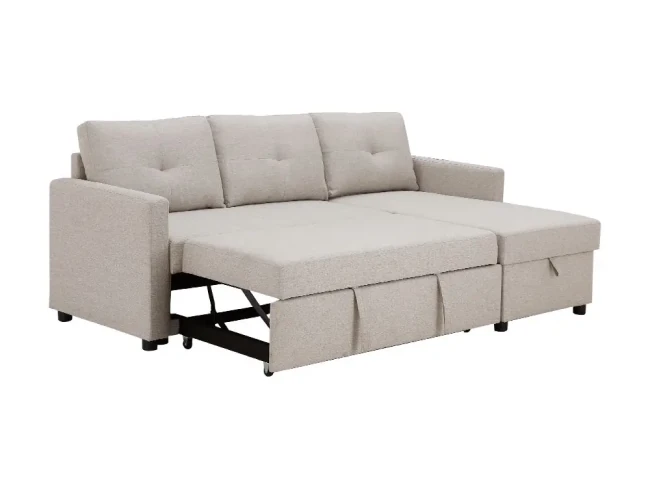
Currently, this concept is applied to bedroom, living room, and office furniture, including Personalized Fabric Sofas, Bed Studio beds, and PS-Blanc / PS-Noris / PS-Join furniture sets. These products feature simple designs that maximize space utilization and improve production efficiency, storage, and inventory management.
At present, the Company operates a furniture manufacturing business under the Younique brand, which offers customized furniture products distinguished by their efficient use of resources in the furniture production process. In 2025, furniture under the Younique brand accounted for 7.14% of the Company’s overall business operations. The Company’s focus on customized products reflects its strategy to meet specific customer requirements while promoting the efficient use of resources within the furniture industry.
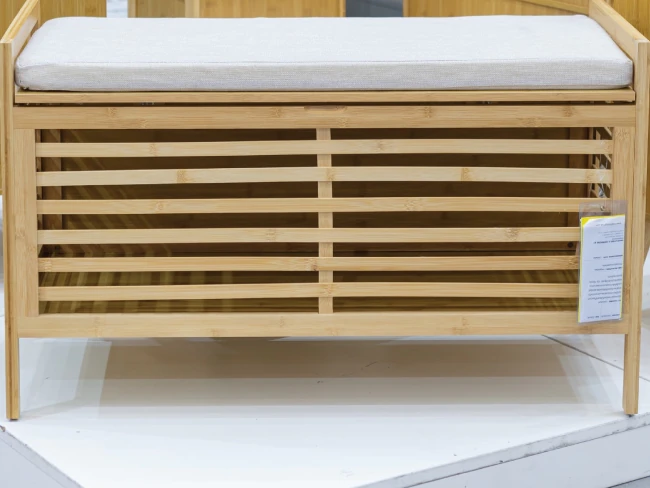
Another key ESG initiative is the “Fold to Melamine” project, which involves redesigning melamine product development to allow processing without using traditional molds. This reduces production waste by up to 30% and enables recycling of materials back into the production process, lowering manufacturing costs and enhancing competitiveness. Monthly sales are expected to increase by 5–10%.
The project also upgrades the supply chain by connecting partners through a digital platform, increasing transparency and reducing average production lead time from 35 days to 30 days. This improves responsiveness to customer demand, boosts the Net Promoter Score (NPS), and increases customer retention rates.
Furthermore, the Company has promoted the “Supplier ESG Compliance Program” to strengthen Green Procurement practices and foster collaborative sustainable development with suppliers.
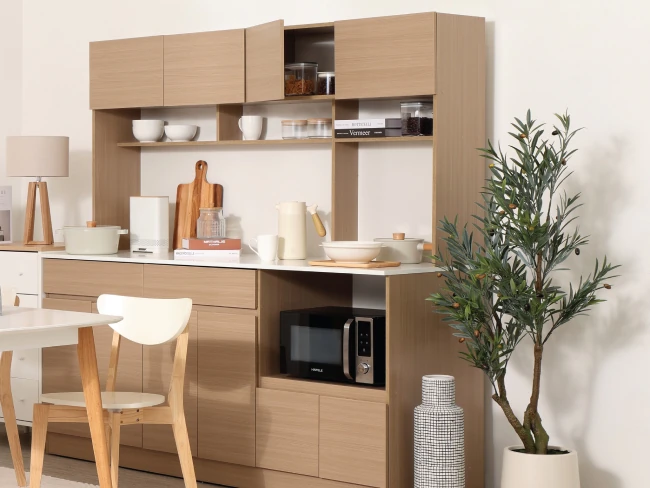
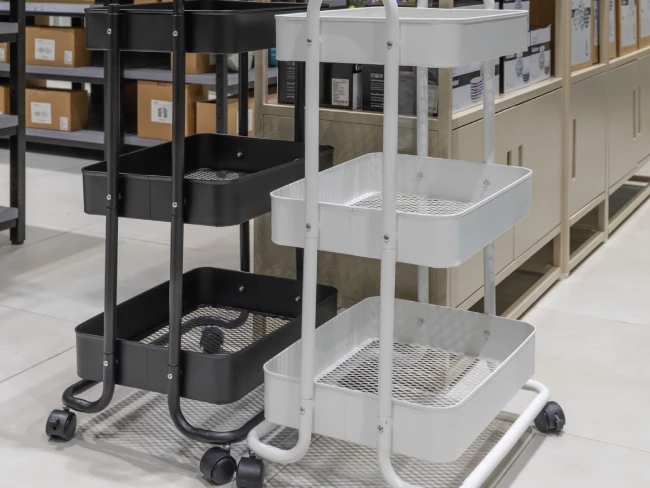
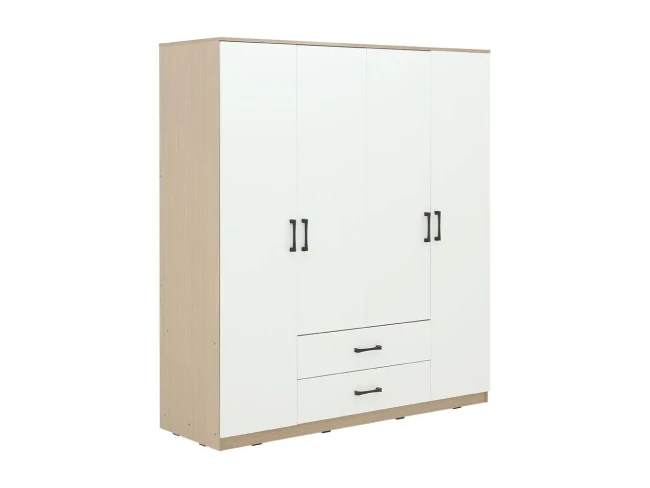
Under the “Furinbox” brand, the Company is committed to developing furniture products that are high-quality, practical, and meet the broad needs of consumers. The focus is on items that are “affordable and easily accessible,” achieved through collaboration with business partners to efficiently design, develop, and manufacture products in terms of functionality, design, and production costs.
This partnership with suppliers not only enables faster product delivery but also creates value for customers in terms of price, usability, and quality that truly meets everyday needs.
Key Features of Furinbox Products
- Affordable Carefully selected quality materials at reasonable prices, with efficient production cost planning, allowing the Company to offer budget-friendly, value-for-money furniture suitable for all customer groups.
- Easy Assembly Developed in collaboration with suppliers to design a simplified assembly system, enabling users to assemble the furniture themselves without the need for professional tools or technicians.
- Minimalist Design Focused on simplicity, modern aesthetics, and versatility to complement various home decor styles, suitable for all lifestyles.
- Space-Saving Designed for urban living spaces such as condos or compact homes, maximizing functionality and efficient use of space.


Stakeholders Directly Impacted

Customers
Benefits Received
- Receive products that are safe for health, made from natural materials, and free from harmful chemicals.
- Packaging is biodegradable or reusable, redce waste and environmentally friendly.
- Align with an Eco-conscious lifestyle.
Potential Impacts
- Product prices may increase due to the cost of using environmentally certified materials and production processes.
- Challenges in maintaining natural products to ensure a long lifespan.

Employees
Benefits Received
- Gain developed skills and knowledge in producing environmentally friendly products
- Work in a safe environment, minimizing exposure to harmful chemicals.
- Participate in creating innovations that address sustainability.
Potential Impacts
- Burden of adjusting work processes to comply with environmental standards.
- Require to learn new techniques and materials, which may be time-consuming.

Shareholders
Benefits Received
- Enhance the corporate image in sustainability and social responsibility.
- Increase market opportunities among environmentally conscious customers.
- Reduce the risk of criticism regarding environmental impacts.
Potential Impacts
- Initial investment costs in environmental technologies and materials are high.
- Payback period may be longer comparing with conventional products.

Business Partners
Benefits Received
- Participate in developing environmentally friendly products, enabling broader market expansion.
- Achieve higher production and quality standards.
- Increase vopportunity to establish long-term business partnerships.
Potential Impacts
- Require adjusting production processes or source new materials to comply with environmental standards.
- May incur higher material procurement costs.

Communities and Society
Benefits Received
- Reduce waste and pollution from packaging and synthetic materials
- Support the use of renewable resources and sustainable production.
- Raise awareness of environmentally responsible product usage.
Potential Impacts
- There may be concerns about the performance or durability of products made from natural materials.
- Misunderstandings regarding product prices and the reasons for higher costs.

Government and Others Agencies
Benefits Received
- Receive cooperation in implementing environmental and waste management policies
- Promote the overall green economy of the country
- Obtain data for monitoring and evaluating environmental projects
Potential Impacts
- Workload in monitoring and ensuring environmental standards of operators.
- Need to create or update requirements to align with new innovations.
Activities