
Waste Management and Pollution Control

Supporting the SDGs Goal


Goals
Performance Highlights 2025

Commitment, Challenge and Opportunity
The Company places great importance on waste management, focusing on reducing and controlling waste throughout the business value chain. The Company has established a policy to incorporate the concepts of circularity and the 3Rs (Reduce, Reuse, and Recycle), namely, minimizing usage, reusing, and recycling in operational processes, to ensure efficient waste management. Any waste generated from business operations, products, and services that cannot be processed through the 3Rs shall be properly treated and disposed of in accordance with relevant regulations and laws.
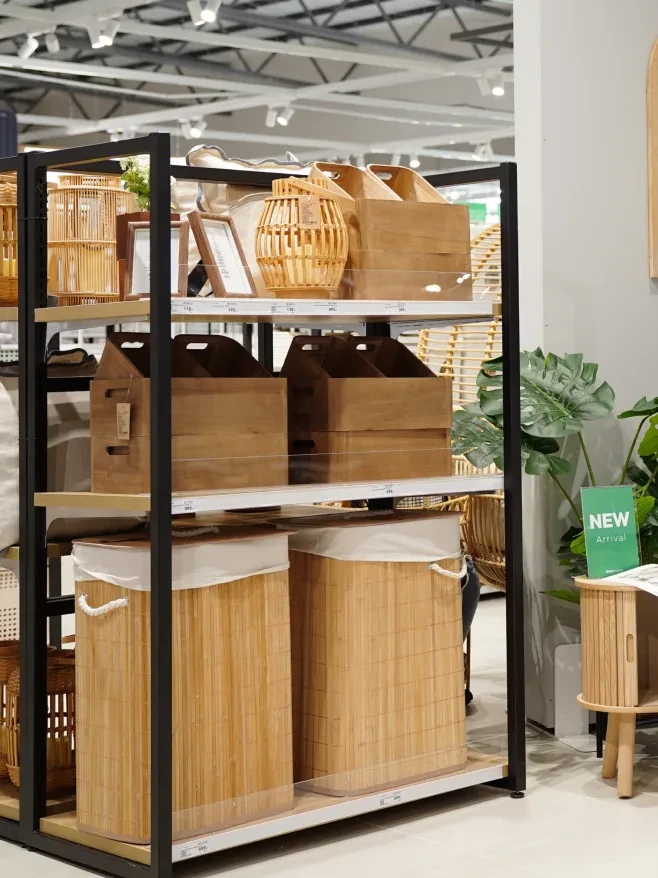

At the same time, the Company also recognizes opportunities to design and develop products from leftover materials to maximize the efficient and valuable use of resources and to enhance the value of the products.
Management and Operational Approach
The Company has announced an Environmental Management Policy to serve as a framework for environmental operations in line with the organization’s sustainable development approach. In relation to waste management and pollution control, the policy states: “Waste Management – Committed to reducing and controlling waste throughout the value chain from upstream to downstream.
The policy emphasizes applying the 3Rs concept (Reduce, Reuse, and Recycle), including reducing, reusing, and recycling in operational processes to ensure efficient waste and garbage management.
Any waste generated from business operations, products, and services that cannot be processed through the 3Rs shall be properly treated and disposed of in accordance with scientific principles.”

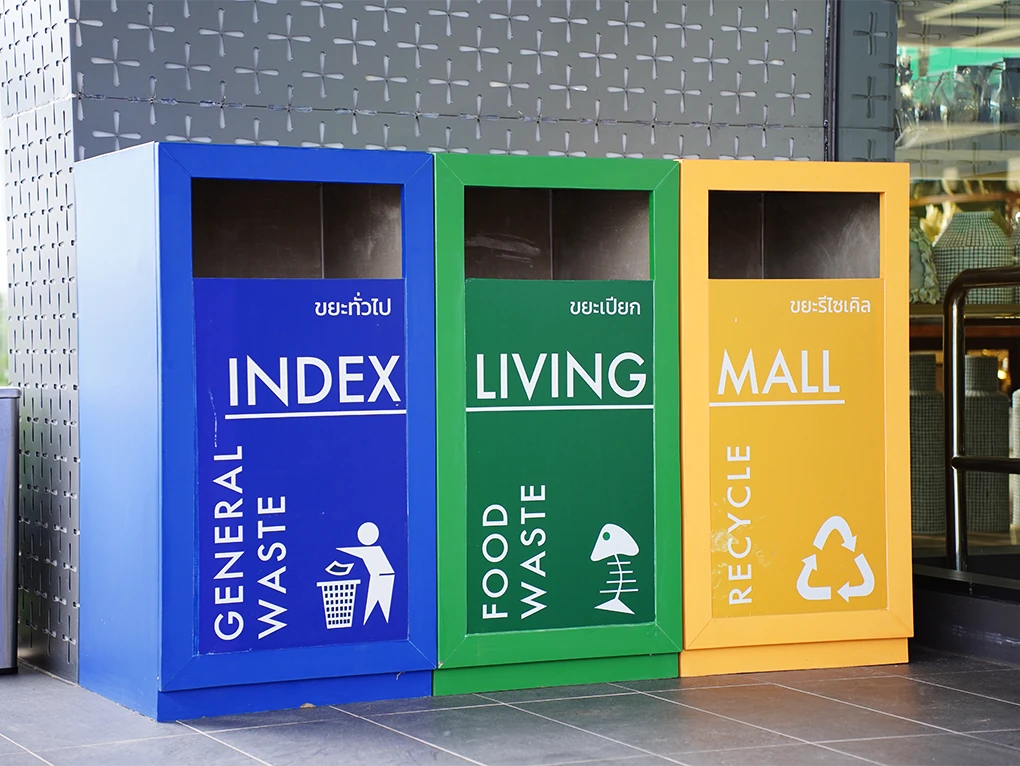
To ensure efficient and effective waste management and pollution control, the Company has established guidelines for waste and garbage management based on the 3Rs principles, and conducts activities to encourage employee participation across the organization to promote responsible use of resources. The Company has set measures to control waste, manage garbage, and handle used materials generated from production processes in a manner that is appropriate and compliant with the law, covering collection, transportation, and disposal, to prevent used materials or hazardous waste from impacting the environment and nearby communities. The Company classifies waste into four categories, with detailed management measures as follows:
1. Recyclable Waste
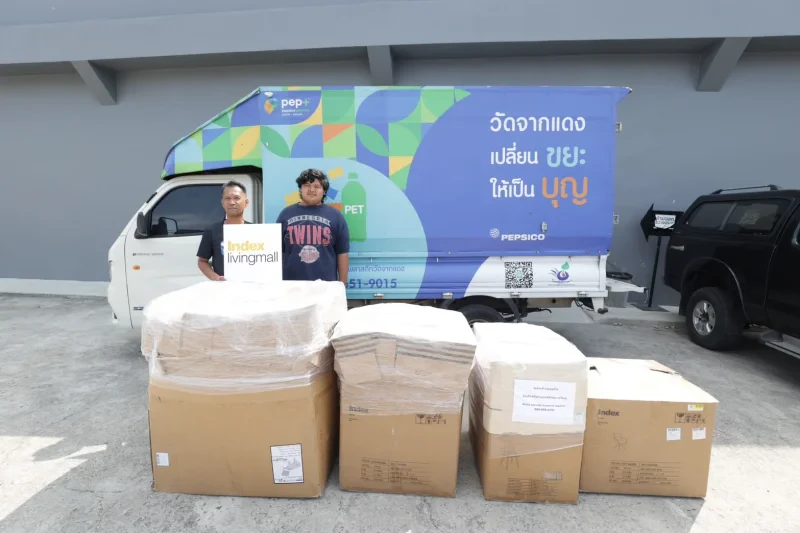
such as particle board, cardboard boxes, etc. The Company sells the recyclable waste to business partners.

2. Organic Waste
such as food scraps, etc. The Company arranged a wet waste room and installed air conditioners to control the temperature in order to slow down the growth of bacteria and control odors. The city municipality collects this every day. Additionally, food scraps are distributed to nearby farmers for use as animal feed.

3. General Waste
such as general garbage that is disposed of or utilized by the city municipality in accordance with sanitary principles.

4. Hazardous and Infectious Waste
includes fluorescent light bulbs, contaminated waste, and paint waste.

(Unit: Tons)
Total waste
13,128 tons


Processed waste

Incinerated for Fuel / Waste to Energy

Recycled

Animal Feed

Blended Fuel
General waste for landfill and incineration

General Waste landfilled

Infectious and Hazardous Waste Incinerated
Stakeholders Directly Impacted

Shareholders
Benefits Received
- Increased business value due to a positive environmental image
- Sustainable operations, reducing legal and environmental risks
Potential Impacts
- If waste is not properly managed, it may lead to reputational risks as well as fines or damages to the organization.

Customers
Benefits Received
- Confidence in the environmental responsibility of the products and services chosen.
- Receive products that are safe and environmentally friendly.
Potential Impacts
- Without clear communication, customers may not be aware of the Company’s environmental efforts or may misunderstand the approaches the Company is taking.

Business Partners
Benefits Received
- Receive clear guidance on waste management
- Have opportunities to jointly develop a green supply chain
Potential Impacts
- May need to adjust processes or incur additional costs to comply with the Company’s environmental policies.

Communities and Society
Benefits Received
- Improved environmental quality around operational areas
- Reduced impacts on public health and ecosystems
Potential Impacts
- If waste is mismanaged, it may directly impact the community’s environment, such as causing odors, wastewater, or accumulated garbage.

Government and Others Agencies
Benefits Received
- Collaboration with the government to advance environmental policies
- Serve as a model for proper waste management
Potential Impacts
- If information or performance results are not transparent, they may be closely scrutinized or strictly audited by regulatory authorities.

Employees
Benefits Received
- Work in a safe and clean environment with good hygiene and mental health
- Gain increased knowledge and skills in waste management
Potential Impacts
- Workload may increase if there is no clear training or communication on managing this area.
- Embedding and fostering a culture of proper waste segregation among all employees requires time for learning and understanding, as well as continuous implementation.
Project Highlights